Lent 2016: “The Brokenhearted”

31jan16

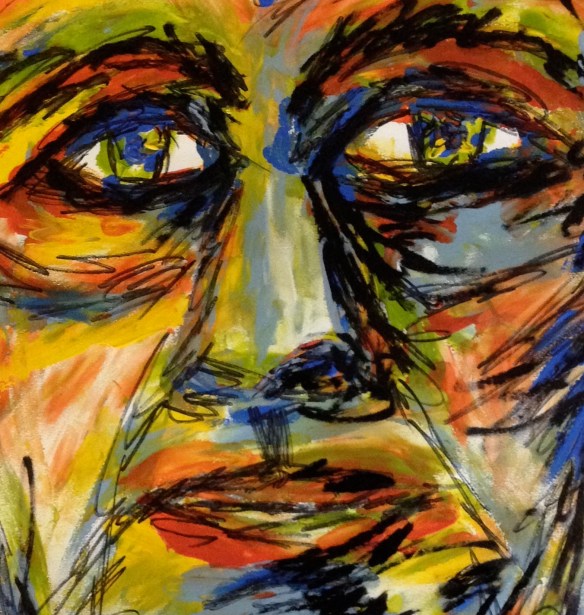
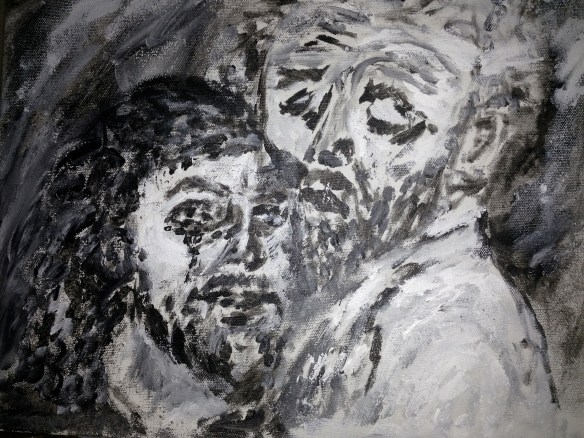
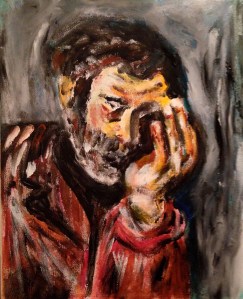
“The Brokenhearted” Painting: Ronald Raab, CSC

When the just cry out, the Lord hears them, and from all their distress he rescues them. The Lord is close to the brokenhearted; and those who are crushed in spirit he saves. (Psalm 34)

Jesus, lift up people who carry their unfortunate burdens.

Listen to our children who cry out alone on our streets.

Listen to our aged and ill family members curled up in dirty beds in nursing homes.

Listen to our hungry families searching for the basics of life

Receive the women battered in their homes in which they are frightened to leave.

Receive our children recently diagnosed with cancer.

Receive our clergy suffering now from Alzheimer’s disease unable to pray.

Hold our restless bodies and our searching hearts.

Hold our jobless fathers and our overworked mothers.

Hold those who will die this day.

Console the brokenhearted and offer us your mercy and peace.

Amen

Lent 2015: “Jesus Remember Me”

Lent continues this year and we still sort through our lives and believe that so many other things will take the place of Jesus. We forget our reliance on Jesus. We think we can live without a power greater than ourselves.
This post from last Lent reminds us to live in Jesus and that Jesus will not for us. Learn to bring your hearts to the power of love, the love that sets us free.
Listen to this music and do not forget the power of mercy, love and forgiveness.

Ronald Patrick Raab, C.S.C.'s avatarBroken But Not Divided

Jesus, remember me.

Do not forget the lonely gentleman boarding the bus today.

Remember Priscilla who cannot forgive her past.

Please remember to forgive those who live in bitterness because life is hard.

Remember your mercy when Joe shoots drugs to numb the pain.

Do not forget the children who cry in the nighttime.

Bring to your heart those beaten down by abuse.

Embrace the lonely people standing in line waiting for food.

Comfort people in loveless marriages.

Help us remember to love.

Help us remember to forgive.

Jesus, remember us who ache for a new life.

Remember to help the veteran to forget his last tour of duty.

Do not forget the grandfather who can no longer remember his own name.

Do not forget the man down the street who lost his job at the gas station.

Keep in mind the old widow in the corner cafe with the…

View original post 50 more words

Lent 2016: The Healing Presence

Tuesday of the Fourth Week of Lent
JN 5:1-16

There was a festival of the Jews, and Jesus went up to Jerusalem. Now in Jerusalem by the Sheep Gate there is a pool, called in Hebrew Bethesda, which has five porticoes. In these lay many invalids—blind, lame, and paralyzed. One man was there who had been ill for thirty-eight years.

When Jesus saw him lying there and knew that he had been there a long time, he said to him, “Do you want to be made well?” The sick man answered him, “Sir, I have no one to put me into the pool when the water is stirred up; and while I am making my way, someone else steps down ahead of me.”

Jesus said to him, “Stand up, take your mat and walk.” At once the man was made well, and he took up his mat and began to walk.

Now that day was a sabbath. So the Jews said to the man who had been cured, “It is the sabbath; it is not lawful for you to carry your mat.” But he answered them, “The man who made me well said to me, ‘Take up your mat and walk.’”

They asked him, “Who is the man who said to you, ‘Take it up and walk’?” Now the man who had been healed did not know who it was, for Jesus had disappeared in the crowd that was there.

Later Jesus found him in the temple and said to him, “See, you have been made well! Do not sin any more, so that nothing worse happens to you.” The man went away and told the Jews that it was Jesus who had made him well. Therefore the Jews started persecuting Jesus, because he was doing such things on the sabbath.

 I made an appointment with a chiropractor for the first time in the autumn of 1987. I had just moved to Chicago in the hot summer and my body needed to catch up on my new adventure. I was not certain that I would trust a chiropractor. I was always told that their remedy was like their nickname, “bone crusher”.

So on a late Friday afternoon, I found myself on a comfortable but oddly shaped table in an office with soft light entering the large windows. The dried leaves on the trees were fluttering on the widow. I could feel the darkness of night approaching as time passed. Dr. Pam worked on me for a full hour. She explained very little, her presence was reassuring and yet I had to learn to trust it. After the adjustments she made on my spine and working on my muscles, she let me rest on my back. She instructed me to breathe and to relax and then she left the room. The room grew more and more quite as daylight faded. I began to settle into the healing that she offered me.
When the doctor came back into the room, she pushed a padded stool with wheels over to the table and sat next to me. She took my right hand into both of her hands. She said to me in a compassionate, caring voice, “When are you going to do something about your life?” I promptly said to her, with out hesitation, “I know what my issues are, I am fine!”
Well, eventually we were both able to laugh at my statement. I spent many late afternoons on that table. The healing I experienced in those days led me deeper into God’s care for me and enabled my voice to come forth in my ministry. Healing takes time and it does not happen all at once. I resisted the healing the first time on the table, but eventually I was able to rise, to live my life in the world, to be free enough to follow Jesus to many cities and places. I also have found myself in the caring hands of many chiropractors throughout the country.
I admit that I still carry, “my issues” from city to city. However, I now rest in the assurance after all these years that people can help me carry them, that healing is for real in prayer and in ministry.
As the sick man waited for thirty-eight years, healing takes time. We hear Jesus’ invitation to rise, pick up our mats and walk. We are all on the journey to the precious healing that restores our bodies, our minds and our souls.
Here are some questions for today:
What emotional pain are you carrying within your body?
How have other people offered to help you into the realm of Jesus’ healing?
Can you pick up your mat, which is the reality of your life, the sin and love?
How is this Lenten season opening up a new path for you?
How are you waiting for the mercy of Jesus’ healing touch?

Lent 2016:”The Art of Mercy”

I asked Ken and Sharon Krall from Sacred Heart Church to speak at our vespers series on Sunday February 28, 2016. They capture so well the art of mercy walking with their family members with special needs. 

On Loan From God  (By: Ken)

My childhood was a happy and safe one. My older brother Mickey and I lived with our parents in a pleasant but modest Cleveland neighborhood, within a short walk of our elementary public school, Catholic church, supermarket, and movie theater where for 25 cents we often enjoyed Saturday morning matinees of 20 cartoons and a serial episode of Flash Gordon Conquers the Universe.

My 11th birthday came two weeks before the Soviet launch of Sputnik, the first artificial earth satellite. Grownups were stunned and dismayed that America had been beaten in this first step into space, and felt that this changed everything. But I was experiencing my own personal life-changing event. We had just been told we were going to get a baby sister, and I was thrilled to begin planning all the fun things we would do. And I would love her and protect her from bullies, and teach her all the important things little kids needed to know.

Marianne was born a little on the light side according to our parents, but to me all newborns seemed a little on the light side. It wasn’t until several months later that my parents came home from the pediatrician’s office and shared with my brother and I that Marianne was profoundly retarded. I didn’t learn until much later that the term “profound” covered the 1-2% of the retardation population that never achieved IQs above 20-25. But at the time, even a dopey 11 year old knew that this sounded serious, although I didn’t know the extent to which this changed my plans. I’ll never know just how that day affected other members of the family, though it must have devastated our mother, who must have yearned for a girl companion in the household, and who may have had doubts about having provided a safe pregnancy for Marianne. And as a stay-at-home mother, she would be the one to accept most of the burden of Marianne’s day-in and day-out care. I was too immature to understand or to provide comfort to my mom during this time; rather I was too focused on my own pain, a pain that has lessened with time but still remains.

Although I had hoped Marianne and I could still develop a loving and meaningful relationship, I recall precious few joyful memories I can hold on to. Over the years Marianne was able to develop a vocabulary of several dozen words, but mastered only a couple of 2 or 3 word phrases. She often ignored my first attempts to communicate with her, looking off into space until a second or third attempt was made, and she had a habit of looking to a parent when responding with a word or a shake or a nod. Granted, I was occasionally able to buy her attention with french fries or frozen custard from the new hamburger stand she referred to as “Donnels”, or finding her favorite cartoons or children’s shows on TV. But it is difficult for me to picture her looking me in the eyes and responding TO ME during our encounters.

Because of the real and/or perceived insensitivity of many people toward those with retardation, our parents –and particularly our mother- turned inward, circling the wagons of the immediate family to protect Marianne, and in so doing, seldom again enjoyed their previous relationships with relatives and friends. It was to their credit that they remained loving, attentive and proud parents of their sons, carefully concealing their sorrows over lost dreams.

Marianne was 10 when I left home for graduate school and two years of active military service. While stationed in Germany, I had the opportunity to visit Lourdes, France, and sent Marianne a small bottle of spring water from the Lourdes Grotto. It must have been fifteen or twenty years later, while I made one of my two or three visits a year, that mom showed me a small empty bottle that I almost didn’t recognize. She had that same look as when we were out of milk and she hoped I could soon pick up more. She had carefully blessed Marianne every night of those many years from that little bottle. That was our mom.

Marianne had a special relationship with dad, spending hours in the yard while he gardened, often going down the driveway to visit with mostly friendly and understanding passer bys. In the winter, he would shovel snow and throw an occasional snowball in her direction, eliciting a hardy giggle. Her happiest time of day was going upstairs at bedtime. In her cozy bed, she would get a case of the giggles, and laugh back downstairs to dad, and back and forth they would laugh, over nothing in particular. There were times when outbursts of grabbing or pinching left mom with bruises on her arm. Dad was so hurt by these incidents, and Marianne would sense it. She would sit down next to him, put her arm around him, look him in the eye and let out a mournful groan.  That was their relationship.

Marianne continued to live at home, with our parents until the age of 40, being picked up daily by the bus that took her to workshop, freeing up mom – and dad once he retired – for several well deserved hours. During my visits, she did let me hug and kiss her at her bedtime, and she welcomed my bringing her “Jesus” in the form of Eucharist when dad’s health failed and he could no longer drive them to Mass. But there was never that closeness that I had hoped for, and she would always remind my parents that visitors were for saying “Bye Bye” to.

She moved into a group home when she was too much for my father to handle, and he died shortly thereafter. On a weekend visit to our mom’s, as they walked in the neighborhood, she lost her balance, fell, and although not suffering injury, never again walked on what had suddenly become rapidly deforming legs and feet. She survived another five years in a nursing home with the benefit of a G-tube and tracheotomy, once her swallowing muscles weakened. Marianne passed away, weighing less than 80 pounds, with a simple “failure to thrive” explanation on her death certificate.

We will never know of Marianne’s thoughts, her joys and fears, her dreams. Did she understand her place of importance in our family and in the world; did she understand that she often touched us all with moments of joy and sorrow? Or did she just live her life simply one moment at a time, experiencing community, appreciating simple pleasures as they came, loving when she could and struggling with challenges when she had to? She was, and always will be, a child of God.

Looking back, I marvel at my parents’ incredible love and sacrifice, and the awesome examples they set for me. As for myself, in some of my troubled moments of unproductive thinking, I would ask myself whether an act can be considered one of kindness and mercy if it appears to be unnoticed, unappreciated, or of no apparent benefit to another human being; there was a fear in my heart that such acts are in vain.

An answer to my questioning comes to me from Matt 25: verse 40:

“And the King shall answer and say to them, Truly I say to you, Inasmuch as you have done it to one of the least of my brothers, you have done it to me.” Curiously, most English translations read when “you have done it to one of the least of my brothers”, not when “you have done it for one of the least of my brothers”. This speaks to me that even if an act of kindness has no apparent benefit to or acceptance by the other person, the intention behind it is pleasing to God, and is therefore never in vain.

In First Corinthians, St Paul teaches that Love never Fails. I’ve come to believe also that Mercy never fails, and taking some strength in this belief, I’ve become more willing to risk rejection of my efforts, when choosing to treat others with kindness and mercy. Continue reading →

Lent 2016: Parish Bulletin Column

mercy man 3

Sunday March 6, 2016

Bulletin column

Pope Francis invites us in this Year of Mercy to explore God’s fidelity and love. What does Pope Francis mean by mercy? Today’s gospel (Luke 15:1-3, 11-32) shows us a human face of mercy. The story of the Prodigal Son is one of my favorite passages in Luke. So many of us find glimpses of our lives in one of the three major characters.


The young son is completely selfish. However, we can understand his quest to discover his life. He asks for his inheritance and runs away and spends all of his money on a lavish life of prostitutes, food and a short-lived carefree existence. When he is out of money, he wakes up and realizes his mistakes. So he goes back home penniless and becomes aware that his future is at stake not only because he already spent his inheritance but also he has compromised his father’s love.


The father in the story loves his son. He is waiting on the road for him to return. The father runs toward him and embraces him, kisses him and even better promises him a future. The father stands on the dusty road as mercy incarnate. He kills the fattened calf for a wonderful celebration.


Of course the older son is incredibly jealous. He has spent his entire life with his dad obeying all of the rules. He now really resents his brother and his father. His life may never be healed because of his jealousy and anger. The rules have brought him great resentment and he cannot experience his brother’s new life or his father’s generosity.


So what character do you identify with at this point in your life? Which character challenges you? Can you describe your life situations or stories in relationship to one of these characters?


In this Lenten season, I want us all to run toward to the mercy of God. In this story, I often image the father along the path in my heart because so many times in my life, I have squandered my gifts and talents and have not lived up to God’s faithfulness. That scene so speaks to my heart in my prayer. Mercy is a lived awareness that we are forgiven even when we are lost, even when we have spent our gifts on a crazy life of ego-centered and selfish ways. I want us to know that we deserve God’s fidelity and love. Each of us is the beloved of God. We already belong in God’s mercy.


Many of us I am sure identify with the older son. We have lived all the rules of the Church and think others should do the same. We have worked hard for what we have and believe other people should work hard. We tend to think that we are all self-reliant. Why should we give people a handout if they do not have a job? Why should I give people food or clothing or shelter if they are too lazy to find their own way in life? Why should people be cared for without putting out their best effort? We give to other people because so much is given to us. We help others because they do not have the emotional stability to help themselves or because sometimes people just need a break. This story tells us that everything we have comes from the father’s love. We can either be stingy or generous and that choice is our response to God’s mercy and generosity.


We can also identify the ways in which we squander our lives. God’s love and presence is free. We do not earn our salvation. So often we get stuck thinking that we earn God’s love by our good works and then become resentful that others are not pulling their weight. Not at all, salvation is free. God’s love is unconditional. This notion of unconditional love is very difficult for us to understand when we are used to working hard and earning an honest living. God’s love is not earned. God’s mercy is here for our broken, confused and sinful lives. When we are dead we come back to life in the Father’s compassion.


Today we welcome Matthew Hovde, CSC and Dennis Strach, CSC our two Holy Cross deacons who will be preaching today. Matt will give the homily at Holy Rosary Chapel and Our Lady of Perpetual Help. Dennis will preach at the 7:30 and 11:00am Masses at Sacred Heart. They were novices in Cascade a few years back and served our community on Sunday mornings. They are back for a pre-ordination retreat. Matt and Dennis will be ordained Holy Cross priests at the University of Notre Dame on Saturday April 2, 2016. Please welcome them and please pray for them as they approach their ordination to priesthood.


Some questions to consider this week from today’s gospel:


How do you experience God’s mercy for your actions or from your past life?

How do you experience resentment because of others gifts or talents or abilities or place in life?

How do you run toward others who are in physical or emotional need?

How do you define God’s mercy?


In the mercy and love of God,

Ron


On the Margins: Luke 15:1-3,11-32

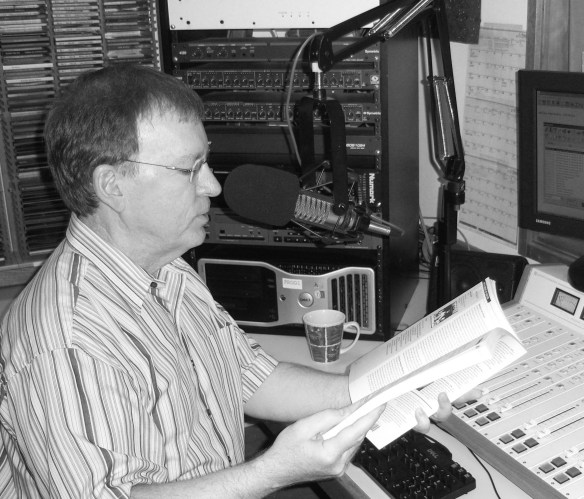
fr_ron_and_kbvm_readingBW

On the Margins from Mater Dei Radio, Portland, OR

LISTEN NOW: CLICK HERE

The Fourth Sunday of Lent, Luke 15: 1-3, 11-32. In this Year of Mercy, we hear the very familiar and inspiring story of the Prodigal Son. We may find our place in the center of one of the three characters within the story, the father, the younger son or the older son. God’s mercy leads us beyond our selfishness and our resentments. Lent invites us to die to our selves and find our home in Christ Jesus.

Lent 2016: Bread and Concrete: Connecting Sacraments and Service

This reflection is another section of “Bread and Concrete: Connecting Sacraments and Service”that was not published last year in Ministry and Liturgy Magazine. As I listen attentively to Psalm 95 today, “If today you hear his voice, harden not your hearts”, I recall the sounds of violence and chaos that lead to echoes of God’s love. In this Lenten season, listen carefully. This reflection comes from my experiences in Portland, OR. 


Our sound equipment

“Come, let us sing joyfully to the Lord” Psalm 95


Our neighborhood is immersed in noise. Squad cars with squawking sirens zip by our corner parish building all during the night and become most disturbing at Mass time. The sirens are a call to deeper prayer, reminding us in the ringing of our ears that suffering is nearby, that someone overdosed or passed out on the street corner or may even have died. The constant sirens become the continuation of our only church bell, calling us all into profound awareness that we are powerless to fix our neighbors ourselves or to change the reality of peoples’ daily circumstances.

Screams from the sidewalks from people on the sidewalks raging against thieves echo into our chapel. The streets operate with a strict pecking order. Women remain targets of rape and theft even in daylight. Men who are considered weak or vulnerable or mentally ill remain constant targets for stronger men who may steal a blanket or a backpack or an identification card.

Music from a nightclub’s afternoon concert shakes up our routines or reminds us at dusk that the weekend has arrived once again. The nightclub music even rattles our windows in the rectory and our dishes in the kitchen cabinets. I sleep with a fan next to my head to try and drown out the thunder of rock, the beat of people dancing the night away.

Several years ago the nightclub behind and adjacent to the sanctuary wall in our chapel started its festivities at midnight. Music blared through the walls even upstairs in the rectory until 6:00 a.m. We complained to the police and they sent their sound expert to assess the noise in our chapel and rectory. The loud music was not just our imagination; the noise was eight and a half times over the legal limit even within our own walls. This measurement helped shut down the business. We later found out that the nightclub was actually a cover for a cocaine ring.

People come to our chapel searching for silence as an antidote to the violence of the streets. People who nestle up against our outside walls teach me that silence is sacred. They ache for a space to not only feel physically safe, but also spiritually safe. This desire for silence as I discover in these quiet conversations is holy, sacred and a path to prayer. I cannot image that silence in a monastery or seminary is as sacred as the silence people in poverty yearn for so they may feel the safety of God’s presence and pray for the miracles they desire.

We all wait for the healing touch of Christ. My experience in the parish opens me up now to really hearing the silence of the nine lepers who did not come back to Jesus in gratitude. The cloud of grateful praise of one overwhelms me as our Eucharist today begins. I feel the silence of Jesus in the desert waiting for his passageway into ministry knowing that people were waiting for his healing touch. I hear the words of praise to the Father as Jesus carried one lost sheep on his shoulders.

As a healing balm from the chaos, clutter and noise of the streets, people sing out to begin the sacred Eucharist. People sing in our parish community because they simply need God. Many people who gather for prayer are shy and withdrawn. Depression overtakes several people in our community. Some people are lonely and fearful. Others have difficulty believing that they are welcome to be present at Mass in the first place. Many voices are squelched by past abuse or silenced because of feelings of being marginalized by society. However, when we all gather in the pews we raise our voices in gusto, in a rich sound of prayer. For many people singing wipes away the anxiety of feeling unheard in life.

Our common voices sing us into a new vibrant identity. Our hymns, familiar or not to our congregation, are sung from the ground of despair. Our procession to the Eucharist forms people into an identity in Christ Jesus. We are the living text of the hymns that offer us the story of redemption from our suffering.

I realize at the beginning of the Eucharist that singing also creates a new label for our community. So many of our people live under negative labels. They are viewed as “those poor” or the “those lazy homeless” or “those druggies, or dykes or fags or alcoholics”. The voices that utter these put-downs are themselves hurting and lonely. I know firsthand that such put-downs may silence our human voices. So many people take those put-downs to heart; they hold them in their bodies and within the soft sounds of their voices. However, at Eucharist a new voice is heard, coming from the Body of Christ assembled in our pews. People sing from such sin and offense. People sing out from being silenced in society. People hit the high notes because they suffer the lowliness of poverty, the act of being silenced, shunned and cast off to the sides of society and the Church.

I carry in my body and in my silent prayer much fear. In my years of experience in ministry I know that this fear unites me with many people. If we are serious as a Church to reach out to people who are waiting for God, then we must invite people to bring their fears into the heart of every worshipping community. I sing so to silence the fear inside me. We all sing to release our fear into the hands of God and the Holy Spirit creates genuine communion from our voices. This is the heart of genuine and real evangelization. Creating communion from fear is the Eucharist in action for all God’s people.

As I begin the procession to the Eucharist Table, I sing out as if my own life depends upon it. After I open my mouth and begin the processional hymn, I look around at our congregation. I realize that my life does depend on receiving the grace of people who ache for God. I find myself part of the people who sing from our weakness.

For many years a joint in my jaw has grown stressed and weak. I have worn apparatuses to move my jaw into a more functional position and to alleviate its pain. Singing and preaching put stress on my jaw and mouth. I sing out with a weak jaw. My voice among people in poverty reminds me that I too, need physical and emotional healing. I begin a hymn of gathering, a song of praise to God believing in my entire being that we are all journeying from suffering to the promise of God’s real presence for every person.

Not every person is willing to add a voice of praise to God. I recently listened to a man bemoaning the label of “homeless”. He voiced from his recent unfortunate circumstance a reluctance to pray in our parish. He does not want to be counted among people who smell. He does not want to be reminded that he is bound by his poverty. He does not want to hear from me at Mass that our ministry is among people who sleep outside or who battle the marks of other peoples’ negative judgments.

He spoke slurring his words because his teeth are rotting. He drew my attention to his mouth because he said that his teeth are a giveaway that he cannot take care of himself because he is poor. He told me through his bleeding gums that he is so angry about the labels that his body reveals to other people. His voice was a reminder for me that we all need to be free of the labels that corrode our perspectives of other people. He wants desperately to sing to God even with few teeth, with a full and rich voice and so he hopes to find a parish that will not remind him that he is homeless.

Many of our people hear inner voices. The many forms of mental illness are manifest here among the lost and fragile. Some people do not know how to interpret the sounds of the bell as a call to worship or the musicians beginning the hymn as the entrance into common prayer. So many inner voices isolate people because the voices cause fear in their daily lives and routines. For many other people just their self-talk reminds them that they feel unworthy. This unworthiness shows itself by keeping some people locked in their rooms or expresses itself to others who creep into church feeling lost and timid. The voices heard in silence are so often the guide to people living in mistrust and fear. We all pray that our common voice may be heard in the healing hymns we sing together in the procession. The hymn does not always cover the bruises of the mind or squelch the inner voices of self-hatred and fear.

Our worship music is real and authentic. We do not have microphones, loudspeakers, or electric guitars. Our musicians are not performers. We do not try to compete with the rock bands across the street. Music ministry bends the notion that louder is better, that artificial sound is holy. Our musicians understand that so many of our people come to our parish longing for simple truth. They realize that sound can jar people with various forms of mental illness. So often people who suffer from various forms of mental illness cannot stand loud music, or abrupt changes in sound. Some cannot stand a particular style of music because it sets off horrific memories. However, our musicians all believe that worship in our community comes from a deep awareness that our hymns need to be a better alternative to the lonely silence in hearts of all who worship here.

Our church bell rings on cue to begin our procession to the altar of God. This bell is our noisemaker to the neighborhood. It rings fifty-two times echoing across the streets and into the lives of people in the single room occupancy hotels in our neighborhood. The sound of the bell is heard even on the thirty-eighth floor of the bank building across the street at high noon on weekdays. I hear the bell in the parking garage where I park my car on the days that another priest is presiding at Mass. The lonely bell from our simple building has a history long before it sat atop of our building. The bell goes back to one of the five locations our parish has occupied since it’s beginning, just after World War I. The sound of the bell that floats through the neighborhood is the only public sound we create. It is a reminder for many that the sounds of worship may be the only healing that will stifle the sirens in daylight and the stirring of people who hear voices in their apartments on a quiet Sunday morning.

Few people make their way into our chapel after the bell stops. Most people arrive early to find time to pray or to catch up with friends. When the bell rings, all of the lights are flicked on from the panel of switches in the sacristy. There is urgency in the desire to gather again because we all ache to belong to something greater than ourselves.

Our procession to the Table of Life is simple. Only the priest makes his way down the aisle on Sunday. The small aisle and limited space does not make for easy processions. However, I pray that people do not feel left out. Under the banner of our song, members of the assembly settle into their place here believing that the hymn is the call to gather as we are, lonely and afraid, silent or despairing, showered or not. The common hunger of our folks compels us all to unite at the altar of God. I sing with coffee breath and a tight jaw longing for all of us to find our place at the foot of the altar.

I sing because so many people are silenced in our culture. Our Church seldom wants to hear from mothers who speak out about their children in times of war in various corners of the world. We struggle to hear voices that cry out from behind prison bars about the injustices of our society. We may even be deaf to people who are mentally ill, who want a decent place to live and who cry out to us on street corners or other public places. The stories in our culture that are formed in silence and despair must be told in the songs of hope and liberation in the healing story of Christ Jesus. Every parish community must risk letting go of their silence so to sing of such victory and love in Jesus.

When we sing at Mass, every voice is heard. We carry the love of Christ in our voices. Singing is one of the ways we remain in communion with one another. When we sing out in our hymns, songs and psalms, we are telling people that we are open to voices that we have not heard before. This act of singing and listening is one way in which we learn to be open to the real needs of people. Our voices are the divinely inspired instruments of evangelizing people in their hardened and negative silences.

I yearn for our singing voices to soften the individual voices of people that say they are unworthy to be at the foot of the altar. I pray at the sanctuary step that our song may cover a multitude of shamed silences. I pray for people who sing even when English is not their first language. I hope our common voices ease the pain for many women who feel their voices are squelched within the decision making process of many parishes. I sing believing that people may find healing from the hurtful words and actions of clergy. I open my mouth because singing is a moment of truth that we share in common. This moment of song becomes an echo for all eternity that we believe and that our community is worthwhile. This is the unity of song, the cloud of healing hymnody that hovers around our pews from the depths of all of our wounded hearts.


Lent 2016: The Corporal Works of Mercy

mercy man 3

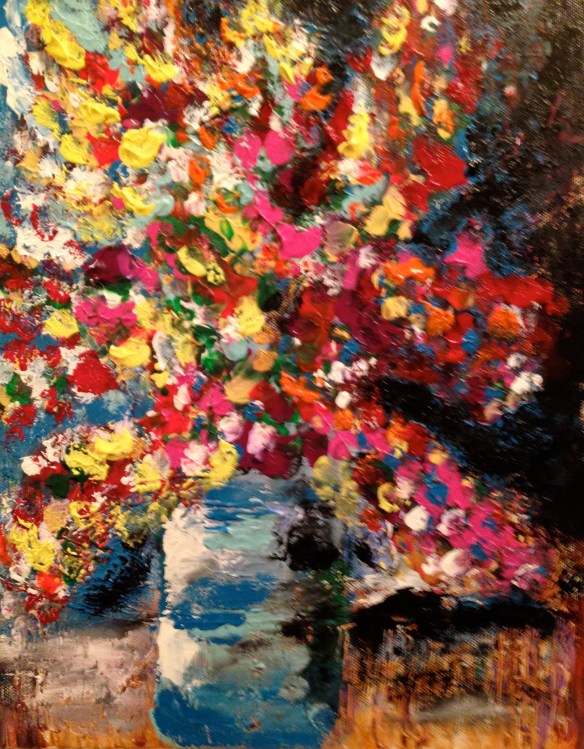
Ash Wednesday: “Longing for Mercy” Finger Painting: Ronald Raab, CSC 2016

Join me for a Wednesday Retreat at Sacred Heart Church at 9:00am until 10:30am and then repeated at 6:30pm until 8:00pm. I will be reflecting on the Corporal Works of Mercy. The reflections here were posted with audio versions at the beginning of Lent.

Wednesday Retreat March 2, 2016

Sacred Heart Church

 The Corporal Work of Mercy: Feeding the hungry

Jesus invites us to feed the hungry as he feeds us with his real presence of mercy in the Eucharist. Food is a human need and the right of every human being. Even in our country, many people go hungry each day.

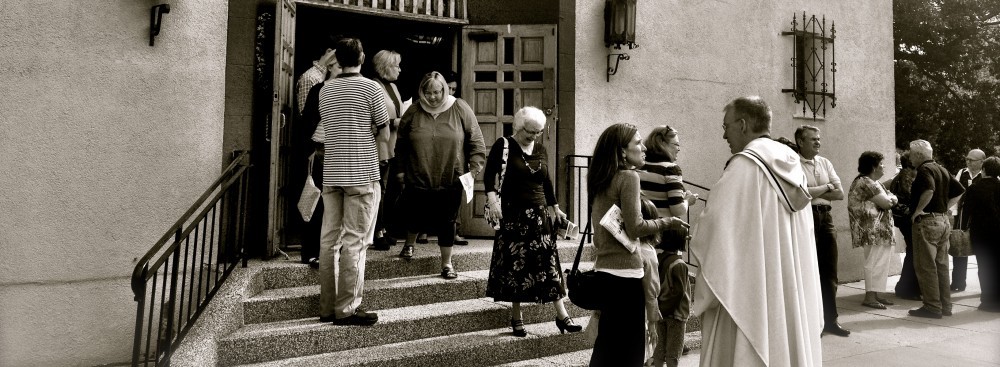
In our parish community, we host a meal on Sunday evenings to which everyone is welcome. Volunteers prepare a healthy meal and serve families in our parish center that arrive from various neighborhoods. Conversations with strangers fill our hearts at these tables. We learn about the real stories of people in need. We hear about the trauma of job loss, inadequate health care and parents struggling to feed their children.

People are more than the labels we put on them. People are hungry not only for food but to be connected to other people. Feeding the hungry also fills our souls. Mercy and miracles happen around those Sunday night tables. Feeding other people is more than about the food; it is about human and spiritual connection. When we sit down at a common table with others and listen to their stories of survival, we understand that feeding the hungry is a form of intimacy that connects every human person.

The Corporal Work of Mercy: To give drink to the thirsty

Every week in our parish community, we offer bags of food to people who have lost their jobs or who are struggling to make ends meet. Sometimes our supplies are depleted and the bags are only half-full. Other times we may even have extra resources such as fresh, cold milk to offer people. Mothers are especially delighted when whole milk is an option to give to their children.

I remember one hot, Sunday evening in August when our parish community served a meal for people who survive poverty. As I walked among tables of homeless families and poured milk for the children, I could not believe their genuine response of appreciation. Their faces lit up when I kept coming back with more milk. I learned again that night that people are thirsty not only for drink, but real connection to other people. Milk that night was a way to connect with families who lacked so many basic necessities.

Jesus changed water into wine at a wedding feast and offered his disciples a sip of wine at the Last Supper. Offering people a glass of cold water, milk or juice is an offering of mercy. We all thirst for respect, dignity and love.

The Corporal Work of Mercy: Clothing the naked

I recently baptized a newborn wrapped in an heirloom garment. The parents told me that the white gown their son was wearing belonged to his great, great grandfather. Even though the flowing gown had yellowed with age, it remained a sign of Christ, clothing generations in forgiveness and mercy. The garment was once again a visual sign of new life, of Jesus’ resurrection from the dead.

As I held the infant in my arms, I was also reminded that we are clothed in Christ’s mercy throughout our lives. Even at funerals, a white garment covers the casket as a sign of our common baptism.

The spiritual image of being clothed in Christ prepares us to offer clothing to the naked that is essential to our human dignity, such as shoes, pants, underwear and shirts.

Shortly after that baptism, an elderly man approached me on the steps outside of our church. He reeked of urine and his clothes were filthy and they did not keep him warm in the bitter nights outside. He whispered to me his request for some clothing. I found resources for him to shower and to receive warmer, clean clothing.

We are first clothed in Christ Jesus in the dignity of our baptism. Jesus’ mercy changes our attitudes about other people who survive nearly naked in the cold months, who long to be wrapped in the new life that their lives matter in this world.

The Corporal Work of Mercy: To welcome the stranger or to shelter the homeless

Hospitality is an act of mercy. Hospitality is a radical acceptance of another person. Welcoming the stranger is an act of mutual respect, an interaction of hope. The Holy Family searched for a shelter at Jesus’ birth. Every person deserves to be sheltered, protected from the cold and given a place to rest and to be physically and emotionally restored.

I hear people judge homeless people harshly every day. People lash out about why others simply just do not get a job. Some people question why our society should support such people.

My experience teaches me that people are homeless because of the trauma they have faced in life. Veterans suffering from the effects of war wander our streets. Youth beaten down by parents and siblings try to make their way to a better life. People who suffer from years of mental illness or drug addiction simply do not have the emotional stability to keep a job or find a home. Some people, who have been traumatized by sexual violence and abuse as children, may never outgrow their depression and rage and they may never be capable to survive on the streets on their own.

Hospitality creates relationships when we welcome a stranger into our midst to be warmed by connection and respect. Mercy does not judge people or condemn them. Mercy changes our attitudes when we bring the gospel alive by supporting the basic needs and rights of people.

The Corporal Work of Mercy: Visiting the Sick

Every human being faces illness and disease. Bodily weakness, ill health and disabilities are a way of life for all people.

Jesus’ healed the sick and walked with people who were blind, lame and held bound by illness. Jesus not only touched lepers but also broke down the social stigma of disease. Jesus gave hope to people whose bodies were weak and he showed other people that faith so often comes from marginalized, ill people. Visiting the sick, holding the hands of the ill and sitting with people who suffer is a human act of God’s mercy.

Our parish community sends forth people with the host, the Body of Christ from Mass to engage other members of our community who are ill or homebound. These ministers bring the prayer of the parish to the bedsides of so many people who are alone and fearful.

As I present the Eucharist to these ministers after Mass, I send them forth with a prayer in these or similar words, “My dear friends, hasten to the bedsides of those who are fragile and frail, those who are alone in their suffering and those who fear death. Take to our absent sisters and brothers our care and concern and help them remain united to the Body of Christ and to our parish community. In Jesus’ name we pray.”

We find God’s love and merciful compassion when we share the Body with members of the body of Christ who are suffering from all sorts of illnesses.

The Corporal Work of Mercy: Visiting the imprisoned

Visiting a prisoner often builds a connection of freedom for both the person behind bars as well as the visitor. Our American prisons are filled beyond capacity. No matter why a person is in confinement, God works within people’s hearts. A visitor is a real and authentic connection to not only the outside world, but also the inner world of God’s love, forgiveness and mercy.

I recently spoke with a man in prison because he committed a crime of sexual abuse. He is now labeled as a sex offender. I listened to him with my entire soul because in so many ways he has been a prisoner of the abuse that was also perpetrated upon him since his childhood. He too, was abused and he lived with alcoholic and drug addicted parents. His confinement in some ways has been life-long. His prison sentence will never change the label our society puts on him. Yet, he is finding a profound relationship with Jesus, a relationship that is offering him peace, forgiveness and mercy.

Many former prisoners struggle to find a job. Others struggle to stay sober from alcohol or clean of drugs. So many people who have been behind bars long to find healing, mercy and forgiveness whether or not they are guilty or innocent. Visiting a prisoner may become a moment of mercy and freedom for all of us who seek God.

The Corporal Work of Mercy: To bury the dead

 We are called to treat each person with dignity until they are one with Christ Jesus. Burying the dead is an act of mercy since we live in the belief of Jesus’ passion, death and resurrection. Standing at the gravesite of a loved one recalls the dignity of each person and our yearning for our home in heaven.

In our parish community, we attend to the funerals of about forty people during a year. Every family grieves differently and every family’s relationship with their loved one is different.

Some family members do not want the Church to be involved in the funeral. Others depend on faith to get through the pain. Standing at the gravesite is always a graced moment for me, lifting up in prayer the person who has died and standing close to the family who struggle in grief. Death usually teaches us all how to live in the present, how to love in the moment and how to forgive the past.

Mary, the Mother of Jesus received the body of Jesus from the cross. Mary and some of the disciples buried the body of Jesus. When a loved one dies, we all wait at the tomb for the resurrection of Jesus, for our place among the saints in heaven.

“Longing for Mercy”

Prayer by: Ronald Patrick Raab, CSC

O God and Father of Mercy,

You invite us closer into the life of your Son, Jesus the Christ.


Jesus, The Bread of Life, shared food and wisdom with hungry crowds.

Jesus, The Good Shepherd ran after the lost, the leper and the lonely.

Jesus, The Healer, touched the eyes of the blind and the ears of the deaf.

Jesus, The Master, washed the filth from the feet of his disciples.

Jesus, The Prince of Peace, forgave the repentant thief on the cross.


Father of Love, do not abandon us.

For our lives are tender from our mistakes and misfortunes.

For our hearts are broken from fragile relationships.

For our questions are many about violence and war.


O God of Mercy,

Give us courage to offer compassion.

Show us how to listen patiently to people dissatisfied by sin.

Offer us consolation when we are discouraged by our mortality.

Help us offer water to the thirsty stranger and bread to the homeless family.

Help us hasten to the bedside of the ill child or the aging parent afraid of death.


Loving God,

In this Jubilee Year of Mercy,

Allow your Church to reveal the face of Jesus in our uncertain world.

Give us the joy of serving people in need.

Help us live in hope.

Melt away despair, mend our broken lives and give us peace.

And show us the way to our heavenly home.


We ask this in the name of Jesus, the Christ who lives and reigns forever and ever.

Amen