Unknown's avatar

About Ronald Patrick Raab, C.S.C.

Ronald Raab, C.S.C.,serves as religious superior at Holy Cross House, a medical and retirement home for the Congregation of Holy Cross, Notre Dame, Indiana

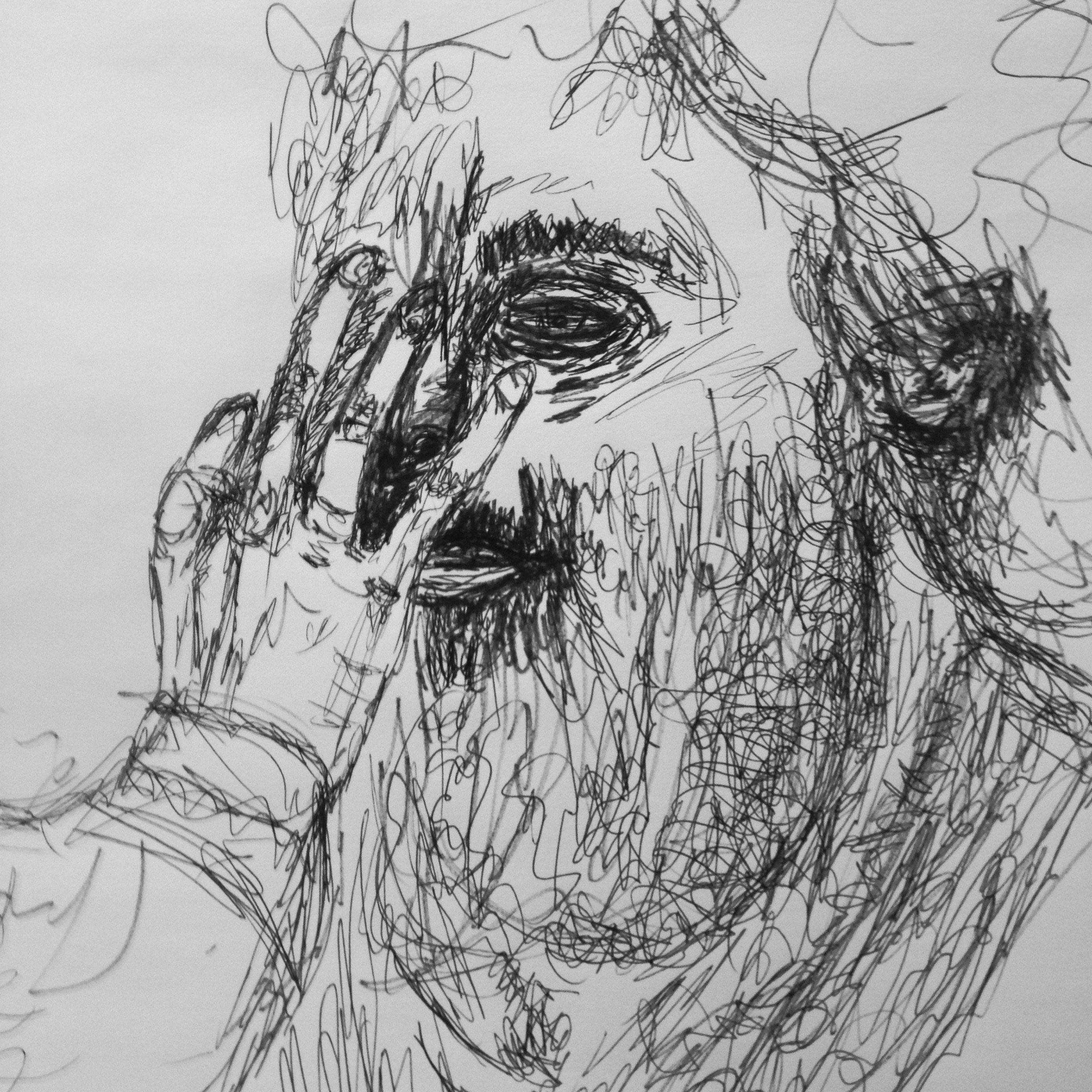
“I want to see”

"I want to see" Drawing: Raab

“I want to see”
Drawing: Raab

(Mark 10: 46-52)

Jesus, Master, open my eyes and give me the vision of the Father. Set me on a path where I can see for myself how to follow you.

I am blind to the works of your mercy and to the needs of people around me. I am tormented by my shortsighted vision of cynicism, despair and discouragement. Set my eyes, my heart and my life into the direction of your love for me, your kindness toward my past and your hope for people who most need help.

I want to see as you see.

I want to see the morning light crack through the window of my life.

I want to see the miracle of the new robins who broke through their shells on the front porch.

I want to see the quest for life in the people whose homes and lives were flooded in the next state.

I want to see the loving touch of a wife reaching out to her dying husband in the nursing home.

I want to see the value of life in the man who holds a sign asking for help on the corner.

I want to see the real needs of those around me.

I want to act upon the love that shows me a new direction of life.

Amen

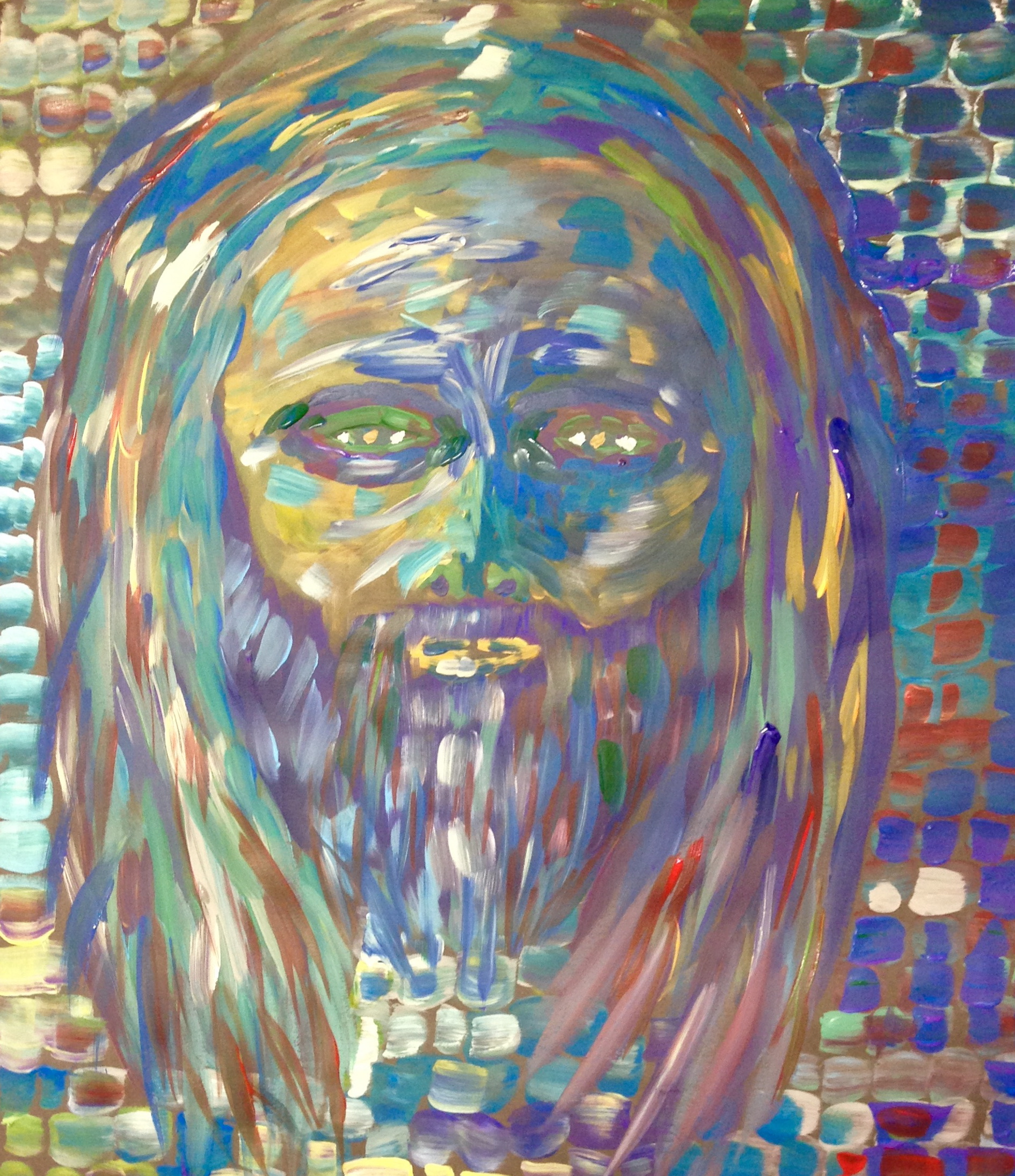
“Breakthrough”

"Breakthrough" Painting: Ronald Raab, CSC, May 25, 2015

“Breakthrough”
Painting: Ronald Raab, CSC, May 25, 2015

Jesus, breakthrough the walls of self-doubt this morning. Help us all know that we are sisters and brothers of you and of one another. Guide our lives into offering hope for all people behind the tragic walls of hatred, discrimination and violence. Bring us to you, dear Savior of the World. (Mark 10: 28-31)

Bulletin column: Pentecost 2015

Click here to read this week’s bulletin

May 24, 2015 Pentecost

Dear Believers in Christ,

Come, Holy Spirit! This is Pentecost, the birthday of the Church. We celebrate our reliance on God through the generous awakening of our lives in faith in the Holy Spirit.

The presence of the Holy Spirit may seem illusive, abstract or otherworldly. We cannot hug, touch or see the third person of the Trinity. It is difficult to be in relationship with the Holy Spirit whom we cannot see, or encounter in real life. Yet, when we sit with our lives in prayer and silence, when we examine our journey more closely, we see how God guides us, how we are loved even when times are tough.

There are many arguments about how the Church should serve, act and celebrate in the world today. Theology waves to the right and to the left, from one polar opposite to the other. Politics and religion are especially combined in our country. Yet, today we release our notions and our control over how we are to be in the world to God’s guidance and providence. We entrust our Church, our worship, our service, our lives and even the lives of the vulnerable into the hands of the Holy Spirit.

I want our parish to mean something in the world. I want us to make a difference in people’s lives. I want the Sacred Heart of Jesus to be a tender hope for the souls of every person in the Tri-Community. I desire consolation for so many people who fear the future, who want to end their lives, who live on pennies, who feel their lives and voices do not matter, who struggle to raise their children, who are never satisfied with their employment, who live only in fear in their old age and who remain restless in their relationships. Today is the day I entrust to the Holy Spirit every member of our community. I invite you to reflect on our community today, the ways in which we rely again on God:

Holy Spirit, guide us into a new awareness of our reliance on you.

Holy Spirit, come and make a home in our disappointments and resentments.

Holy Spirit, console those lost in drugs, alcohol, overeating and self-loathing.

Holy Spirit, retrieve our runaway children, those who cut themselves, those who are lost.

Holy Spirit, mend the lives of couples lost in infidelity and growing resentment.

Holy Spirit, heal the adult children of alcoholics, those confined to rage and restlessness.

Holy Spirit, run after our foster children, our orphans, our next generation without hope.

Holy Spirit, mend the hurts from our parents’ death, our family squabbles.

Holy Spirit, help us let go of our static faith, wanting nothing to ever change.

Holy Spirit, search out those who are drowning in cynicism and self-hatred.

Holy Spirit, break through hopelessness, comfort the weary, retrieve the lost.

Holy Spirit, reassure parents who fret about their children not being part of the Church.

Holy Spirit, welcome the searching, those with an inkling that life could be different.

Holy Spirit, build a church on our conviction that life has meaning and that we belong.

Holy Spirit, accept those who search for a home in the world.

Holy Spirit, create a worshipping community here from our hesitant voices of prayer.

Holy Spirit, comfort our family members in prison, those who long for freedom.

Holy Spirit, sustain the Church to serve those on the margins of society.

Holy Spirit, teach our theologians, our wisdom people, our next generation of leadership.

Holy Spirit, give hope for those who live in quiet desperation.

Holy Spirit, console our children who do not feel loved.

Holy Spirit, give hope to our veterans who worry about the future.

Holy Spirit, welcome those who fret about being accepted in our pews.

Holy Spirit, give us courage not to turn away from the problems people face today.

Holy Spirit, guide artists, musicians and poets to help proclaim your gospel of peace.

Holy Spirit, welcome our gay and lesbian brothers and sisters waiting for acceptance.

Holy Spirit, give courage for those with mental and physical disabilities in our parish.

Holy Spirit, give peace to those who long for justice, those who long to sing of love.

Holy Spirit, comfort the dying in our nursing homes and those who are homebound.

Holy Spirit, welcome all visitors, all sojourners, all who seek Jesus.

Holy Spirit, come and break through the walls of fear, loneliness and hatred.

Holy Spirit, Come!

Blessings on this Pentecost,

Fr. Ron
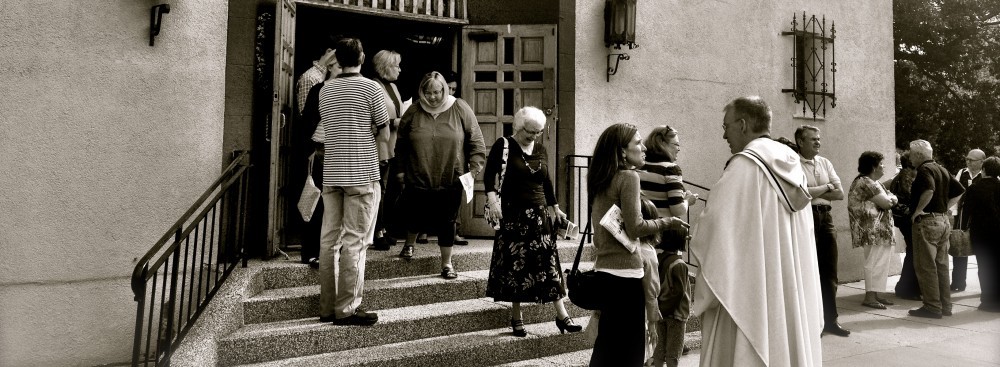


On The Margins – John 20:19-23

fr_ron_and_kbvm_readingBWListen to  “On the Margins”. This broadcast comes from Mater Dei Radio 88.3. Pentecost breaks open new possibilities for us in the Holy Spirit. All things are possible for us and the Church. I invite you to pray for all you need today, all that the world needs is in our prayer this day.  Pentecost Sunday, May 24, 2015.

Listen now: Click here

Stream live On The Margins on KBVM 88.3FM on Saturdays at 3:45pm and Sundays at 8am.

Bulletin column: The Ascension of the Lord

The Ascension of the Lord

Dear Believers,

We celebrate The Ascension of the Lord this weekend, a feast that prepares us from the gift of Pentecost next weekend. We read the challenging gospel from Mark that calls us into the mission of Christ in his physical absence. However, we are not alone in living the healing, love and purpose of Christ on the earth.

We all know and understand what it means to say “goodbye”. These moments of transition are never easy for anyone. This time of year, students say farewell to classmates and teachers for the summer or in the final goodbye of graduation. This is the time for transitions in employment and summer placements for students, interns, seminarians and so many people on the move. We say goodbye to the depths of winter and look forward with hope to longing days and warmer temperatures. Saying “goodbye” is never easy. I remember the last time I said goodbye to my mother in a nursing home before she died. Some of our goodbyes remain in our hearts our entire lives.

For some people transitions are feared. People who have lost homes in a flood or who live outside or who are on the run from families or the authorities have a fear of loss. The constant internal stripping of transition seems to always be present in life for people who have lost so much. These experiences invite us into the gospel today on this feast. The disciples were very perplexed at Jesus’ death. They could not understand why their friend had to die. Then the transition into the resurrection of Jesus took them awhile to understand that his peace and presence where really real. It seems that Jesus invited his followers into a constant state of transition and change. Life and faith are all about change.

Jesus departs from the disciples into heaven. Imagine how difficult this moment was for the disciples. Before he left, he told them that they would continue to do amazing things for people. They would drive out demons, speak new languages and pick up serpents and drink deadly poison without being harmed. This is an amazing list of achievements. I am not sure that I have done any of those things, but I know that I am still commanded by Jesus to continue his work on earth. The real message here is that there is more to the story. Jesus had to leave so that we would be able to see him everywhere in the gift of the Holy Spirit. The coming of the Holy Spirit will be celebrated next weekend on Pentecost.

Here are some questions to consider as we celebrate the Feast of the Ascension of the Lord:


Sometimes I fear transitions in my life because I _______________

Often I fear letting go of_______________

One of my most difficult “goodbyes” has been_____________


I can understand the disciples’ fear of letting go of Jesus because____

I can image the disciple’s anxiety of going into the whole world to proclaim his message because ________________

The one thing I would have said to Jesus before he departed is__________


On The Margins – Mark 16:15-20

fr_ron_and_kbvm_readingBWListen to  “On the Margins”. This broadcast comes from 88.3, Mater Dei Radio, Portland, OR. The disciples bid farewell to their beloved Christ. Jesus leaves the earth and entrusts us to his mission to do amazing things. We ready our hearts for the Holy Spirit. The Ascension of the Lord, May 17, 2015.

Listen now: CLICK HERE 

Stream live On The Margins on KBVM 88.3FM on Saturdays at 3:45pm and Sundays at 7:15am.

Bread and Concrete: (Ministry and Liturgy Magazine, June 2015)

(This is Part 5 of the year-long series, Bread and Concrete: Where Liturgy and Ministry Meet from Ministry and Liturgy Magazine, June-July issue, 2015)

Our sound equipment

“Come, let us sing joyfully to the Lord” Psalm 95

 Our neighborhood is immersed in noise. Squad cars with squawking sirens zip by our corner parish building all during the night and become most disturbing at Mass time. The sirens are a call to deeper prayer, reminding us in the ringing of our ears that suffering is nearby, that someone overdosed or passed out on the street corner or may even have died. The constant sirens become the continuation of our only church bell, calling us all into profound awareness that we are powerless to fix our neighbors ourselves or to change the reality of peoples’ daily circumstances.

Screams from people on the sidewalks raging against thieves echo into our chapel. The streets operate with a strict pecking order. Women remain targets of rape and theft even in daylight. Men who are considered weak or vulnerable or mentally ill remain constant targets for stronger men who may steal a blanket or a backpack or an identification card.

Music from a nightclub’s afternoon concert shakes up our routines or reminds us at dusk that the weekend has arrived once again. The nightclub music even rattles our windows in the rectory and our dishes in the kitchen cabinets. I sleep with a fan next to my head to try and drown out the thunder of rock, the beat of people dancing the night away.

Several years ago the nightclub behind and adjacent to the sanctuary wall in our chapel started its festivities at midnight. Music blared through the walls even upstairs in the rectory until 6:00 a.m. We complained to the police and they sent their sound expert to assess the noise in our chapel and rectory. The loud music was not just our imagination; the noise was eight and a half times over the legal limit even within our own walls. This measurement helped shut down the business. We later found out that the nightclub was actually a cover for a cocaine ring.

People come to our chapel searching for silence as an antidote to the violence of the streets. People who nestle up against our outside walls teach me that silence is sacred. They ache for a space to not only feel physically safe, but also spiritually safe. This desire for silence as I discover in these quiet conversations is holy, sacred and a path to prayer. I cannot image that silence in a monastery or seminary is as sacred as the silence people in poverty yearn for so they may feel the safety of God’s presence and pray for the miracles they desire.

We all wait for the healing touch of Christ. My experience in the parish opens me up now to really hearing the silence of the nine lepers who did not come back to Jesus in gratitude. The cloud of grateful praise of one overwhelms me as our Eucharist today begins. I feel the silence of Jesus in the desert waiting for his passageway into ministry knowing that people were waiting for his healing touch. I hear the words of praise to the Father as Jesus carried one lost sheep on his shoulders.

As a healing balm from the chaos, clutter and noise of the streets, people sing out to begin the sacred Eucharist. People sing in our parish community because they simply need God. Many people who gather for prayer are shy and withdrawn. Depression overtakes several people in our community. Some people are lonely and fearful. Others have difficulty believing that they are welcome to be present at Mass in the first place. Many voices are squelched by past abuse or silenced because of feelings of being marginalized by society. However, when we all gather in the pews we raise our voices in gusto, in a rich sound of prayer. For many people singing wipes away the anxiety of feeling unheard in life.

Our common voices sing us into a new vibrant identity. Our hymns, familiar or not to our congregation, are sung from the ground of despair. Our procession to the Eucharist forms people into an identity in Christ Jesus. We are the living text of the hymns that offer us the story of redemption from our suffering.

I realize at the beginning of the Eucharist that singing also creates a new label for our community. So many of our people live under negative labels. They are viewed as “those poor” or the “those lazy homeless” or “those druggies, or dykes or fags or alcoholics”. The voices that utter these put-downs are themselves hurting and lonely. I know firsthand that such put-downs may silence our human voices. So many people take those put-downs to heart; they hold them in their bodies and within the soft sounds of their voices. However, at Eucharist a new voice is heard, coming from the Body of Christ assembled in our pews. People sing from such sin and offense. People sing out from being silenced in society. People hit the high notes because they suffer the lowliness of poverty, the act of being silenced, shunned and cast off to the sides of society and the Church.

I carry in my body and in my silent prayer much fear. In my years of experience in ministry I know that this fear unites me with many people. If we are serious as a Church to reach out to people who are waiting for God, then we must invite people to bring their fears into the heart of every worshipping community. I sing so to silence the fear inside me. We all sing to release our fear into the hands of God and the Holy Spirit creates genuine communion from our voices. This is the heart of genuine and real evangelization. Creating communion from fear is the Eucharist in action for all God’s people.

As I begin the procession to the Eucharist Table, I sing out as if my own life depends upon it. After I open my mouth and begin the processional hymn, I look around at our congregation. I realize that my life does depend on receiving the grace of people who ache for God. I find myself part of the people who sing from our weakness.

For many years a joint in my jaw has grown stressed and weak. I have worn apparatuses to move my jaw into a more functional position and to alleviate its pain. Singing and preaching put stress on my jaw and mouth. I sing out with a weak jaw. My voice among people in poverty reminds me that I too, need physical and emotional healing. I begin a hymn of gathering, a song of praise to God believing in my entire being that we are all journeying from suffering to the promise of God’s real presence for every person.

Not every person is willing to add a voice of praise to God. I recently listened to a man bemoaning the label of “homeless”. He voiced from his recent unfortunate circumstance a reluctance to pray in our parish. He does not want to be counted among people who smell. He does not want to be reminded that he is bound by his poverty. He does not want to hear from me at Mass that our ministry is among people who sleep outside or who battle the marks of other peoples’ negative judgments.

He spoke slurring his words because his teeth are rotting. He drew my attention to his mouth because he said that his teeth are a giveaway that he cannot take care of himself because he is poor. He told me through his bleeding gums that he is so angry about the labels that his body reveals to other people. His voice was a reminder for me that we all need to be free of the labels that corrode our perspectives of other people. He wants desperately to sing to God even with few teeth, with a full and rich voice and so he hopes to find a parish that will not remind him that he is homeless.

Many of our people hear inner voices. The many forms of mental illness are manifest here among the lost and fragile. Some people do not know how to interpret the sounds of the bell as a call to worship or the musicians beginning the hymn as the entrance into common prayer. So many inner voices isolate people because the voices cause fear in their daily lives and routines. For many other people just their self-talk reminds them that they feel unworthy. This unworthiness shows itself by keeping some people locked in their rooms or expresses itself to others who creep into church feeling lost and timid. The voices heard in silence are so often the guide to people living in mistrust and fear. We all pray that our common voice may be heard in the healing hymns we sing together in the procession. The hymn does not always cover the bruises of the mind or squelch the inner voices of self-hatred and fear.

Our worship music is real and authentic. We do not have microphones, loudspeakers, or electric guitars. Our musicians are not performers. We do not try to compete with the rock bands across the street. Music ministry bends the notion that louder is better, that artificial sound is holy. Our musicians understand that so many of our people come to our parish longing for simple truth. They realize that sound can jar people with various forms of mental illness. So often people who suffer from various forms of mental illness cannot stand loud music, or abrupt changes in sound. Some cannot stand a particular style of music because it sets off horrific memories. However, our musicians all believe that worship in our community comes from a deep awareness that our hymns need to be a better alternative to the lonely silence in hearts of all who worship here.

Our church bell rings on cue to begin our procession to the altar of God. This bell is our noisemaker to the neighborhood. It rings fifty-two times echoing across the streets and into the lives of people in the single room occupancy hotels in our neighborhood. The sound of the bell is heard even on the thirty-eighth floor of the bank building across the street at high noon on weekdays. I hear the bell in the parking garage where I park my car on the days that another priest is presiding at Mass. The lonely bell from our simple building has a history long before it sat atop of our building. The bell goes back to one of the five locations our parish has occupied since it’s beginning, just after World War I. The sound of the bell that floats through the neighborhood is the only public sound we create. It is a reminder for many that the sounds of worship may be the only healing that will stifle the sirens in daylight and the stirring of people who hear voices in their apartments on a quiet Sunday morning.

Few people make their way into our chapel after the bell stops. Most people arrive early to find time to pray or to catch up with friends. When the bell rings, all of the lights are flicked on from the panel of switches in the sacristy. There is urgency in the desire to gather again because we all ache to belong to something greater than ourselves.

Our procession to the Table of Life is simple. Only the priest makes his way down the aisle on Sunday. The small aisle and limited space does not make for easy processions. However, I pray that people do not feel left out. Under the banner of our song, members of the assembly settle into their place here believing that the hymn is the call to gather as we are, lonely and afraid, silent or despairing, showered or not. The common hunger of our folks compels us all to unite at the altar of God. I sing with coffee breath and a tight jaw longing for all of us to find our place at the foot of the altar.

I sing because so many people are silenced in our culture. Our Church seldom wants to hear from mothers who speak out about their children in times of war in various corners of the world. We struggle to hear voices that cry out from behind prison bars about the injustices of our society. We may even be deaf to people who are mentally ill, who want a decent place to live and who cry out to us on street corners or other public places. The stories in our culture that are formed in silence and despair must be told in the songs of hope and liberation in the healing story of Christ Jesus. Every parish community must risk letting go of their silence so to sing of such victory and love in Jesus.

When we sing at Mass, every voice is heard. We carry the love of Christ in our voices. Singing is one of the ways we remain in communion with one another. When we sing out in our hymns, songs and psalms, we are telling people that we are open to voices that we have not heard before. This act of singing and listening is one way in which we learn to be open to the real needs of people. Our voices are the divinely inspired instruments of evangelizing people in their hardened and negative silences.

I yearn for our singing voices to soften the individual voices of people that say they are unworthy to be at the foot of the altar. I pray at the sanctuary step that our song may cover a multitude of shamed silences. I pray for people who sing even when English is not their first language. I hope our common voices ease the pain for many women who feel their voices are squelched within the decision making process of many parishes. I sing believing that people may find healing from the hurtful words and actions of clergy. I open my mouth because singing is a moment of truth that we share in common. This moment of song becomes an echo for all eternity that we believe and that our community is worthwhile. This is the unity of song, the cloud of healing hymnody that hovers around our pews from the depths of all of our wounded hearts.

On The Margins – John: 15:9-17

fr_ron_and_kbvm_readingBWListen to  “On the Margins”. This broadcast comes from 88.3, Mater Dei Radio, Portland, OR. We long to be in communion with Jesus, to discover the love that binds us together. We serve others because of the love that God has for us. The Resurrection sets us free.  The Sixth Sunday of Easter, May 10, 2015.

Listen now: [audio https://dl.dropboxusercontent.com/u/75239779/On%20The%20Margins/On%20The%20Margins%20May%2010%202015.mp3]

Stream live On The Margins on KBVM 88.3FM on Saturdays at 3:45pm and Sundays at 7:15am.

Ministry and Liturgy Magazine: May 2015

424cover 2

(This is from my regular column, “Bridge Work” from the May issue of Ministry and Liturgy Magazine, May 2015)

Unlocking mercy

Last year I was called to the hospital to anoint a woman dying of cancer. The chaplain informed me over the phone while I was still in my office that the patient was also a prisoner. He explained that an officer would be at her side and that my presence was already approved to pray with her.

When I arrived at the door of her hospital room, I knocked lightly. I entered and the woman was in bed near the door. A heavy-set officer sat on the other side of her bed, just a couple of feet away. I bent down at her bedside and she immediately began speaking about her faith. She told me how much she believed in God and she prayed for her many children and grandchildren. Her eyes sparkled from the depths of her profound faith embracing her cancer. Her skin seemed thin, her arms and hands revealing her many tattoos.

As I bent down and slowly opened the container of oil, my eyes caught the handcuffs dangling from the officer’s belt. The more I tried to focus on the intimacy of the moment and the profound outreach to her ailing body, I could not help but have one eye on the handcuffs that were reminding her of the earthly ties that still bound her. The more I spoke with her and prayed with her, the more I felt that she was one of the most spiritually free people I had met in a long while.

This image of the handcuffs and the anointing remains with me. We all seek the freedom of God’s love for us and yet we are all bound on earth by our past decisions, our human choices and our lives that have not turned out as we had planned. This is the place where Jesus is, for he runs toward our pain and our lack of freedom. Jesus will unlock the chains of our pain and our earthly sin.

As I reflect on the gospels beginning from the Fifteenth Sunday in Ordinary time, I know within my heart, this bedside is the place of the Shepherd’s care. These are the people whom Jesus longs to hold, to heal and to forgive. This is the bedside of liberation and love. This is the bedside of mercy. As my years of experience creep up on me, I surrender to such mercy because I do not have any other answers that will set people free.

We all must be spiritually free in our ministry within the Church to offer the Good Shepherd’s mercy. Sometimes I notice a competition among our local parishes. I notice this rivalry within one parish to become more “catholic” than the liturgists in the next parish. One parish may more strictly follow the laws of Church teaching and adhere to the rubrics of liturgical rituals more rigorously than the people in other parishes, although in truth there is no perfect scorecard. I witness in many parishes God’s mercy being offered only after people start living the truth of Church teaching. I hear often from ministers that people need to pull themselves up by their own bootstraps so they may fit into the truth of Christ’s presence within the Church. I fear that God’s mercy is melting into the notion that we must first save ourselves. This temptation handcuffs God’s love for God’s beloved in our world.

We do not dispense God’s mercy nor does it come from our power and control. God’s mercy reveals itself from people who are marginalized, broken, lonely, addicted and in pain. These are the people who will define for us what freedom is and how we are to find the Shepherd who runs after the lost and holds tightly the lives of the sinful. I know through my many years of listening to people on the margins of society, that I have no power over God’s love when I open the container of sacred oil or sit in the quiet, sacred room where we offer confessions. I simply gaze on the fact of the human handcuffs of sin and the divine liberation of love for all people, in all times and seasons.

These gospels lead us to the altar of God. We hear within this entire set of Sunday gospels the miracle of the loaves and fishes. There is more than enough of Jesus’ presence to go around. We do not have stifle or restrict the real presence of Jesus. Christ Jesus is the truth we seek, the liberating love that opens our lives to the Kingdom here on earth.

Jesus says to us that we should stop murmuring over who is entitled to the love God has for people. God will do the drawing near; God will open our hearts to make a home here on earth. I believe in the freedom that our ancestors found in faith. This is the freedom that I take from the altar to the bedsides of people who wait for miraculous healings and for God to unlock the cuffs of their sin and past mistakes. From altar table to bedside is the home of true mercy, the place of freedom for all God’s beloved.

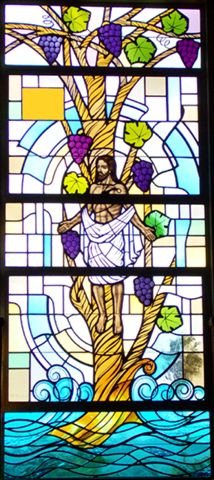
The Resurrection of Christ: Stained Glass Windows at Saint Francis Xavier Church, Burbank, CA

Today’s gospel from John, “I am the vine you are the branches.” This consoling image is seen as a thread through the nine windows I helped design from Saint Francis Xavier Church in Burbank. I hope you will pray with this image today, to remain connected in Christ Jesus, to behold the love that is past down from generation to generation. You are part of the plan, the life of love here on earth.

Ronald Patrick Raab, C.S.C.'s avatarBroken But Not Divided

The Resurrection of Christ Jesus The Resurrection of Christ Jesus

Here is the last window in the series on the set of nine stained-glass windows from Saint Francis Xavier Church in Burbank, CA. This next window is The Resurrection. I hope you have enjoyed this series. The text that follows is from a booklet I wrote in 2000 and edited by Jim Fanning. 

The entire Christian life begins and ends with the Resurrection of Jesus Christ. In this image, the Tree of Life sprouts from the leaping waves of water– our new baptismal life. All the sacred images of these windows are rooted in the Resurrection. Jesus’ life continues in us and the Church. The figure of Jesus is Resurrection, but also suggests the Ascension. The outstretched arms of Jesus hint at his death on the cross but are also a gesture of prayer, welcome and embrace, inviting us into eternal life. The entire Paschal…

View original post 49 more words