Unknown's avatar

About Ronald Patrick Raab, C.S.C.

Ronald Raab, C.S.C.,serves as religious superior at Holy Cross House, a medical and retirement home for the Congregation of Holy Cross, Notre Dame, Indiana

Ministry and Liturgy: December 2014

4110cover

Lent: Our holy women


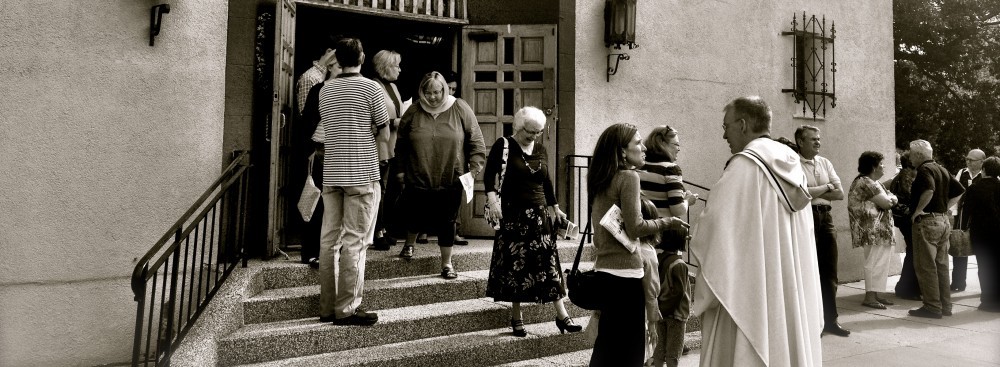
In last month’s column, I wrote about my early years of priesthood ministering among people with HIV/AIDS. The stories of some of the mothers of young men who stood by the suffering, confusion and pain of their sons taught me lessons in holiness.

I was called to the hospital to anoint a man in his late twenties who was dying. I was told that his parents were traveling from another state to be at his side. The exhausted parents entered his room after I had just anointed their son. He was extremely close to death. The elderly father sat down next to his son. The mother, fifteen years younger than her husband entered the room wired and angry. Her anger filled the room. I quickly escorted them into a room nearby to try to calm them.

The mother told me that she was not angry that her son was dying or that he was dying of AIDS. She told me that she was angry because her parish priest had told her not to come to the bedside of her dying son because he said the young man was going to hell anyway.

I sat for hours with the family during that week. I tried to calm them. The voices of the women in the family became strong and healing again. The women rallied against the bitterness and homophobia that harmed them. At the end of the week, we buried her son on my birthday in an atmosphere of peace and honesty that I seldom experience at funerals.

For many years afterward, I received a birthday card from her. Her appreciation and love extended to her family and me until she died. I will never forget her initial tears and her many years of gratitude.

Another mother called me to come to her home to anoint her son. She met me at the screen door. The house was cluttered and very dark. Her son was dying in the first floor bedroom. I walked in and knelt at the bedside. I held his hand and prayed in a low voice. She stood next to the bed on the other side. We all prayed, read scripture and I anointed him.

She escorted me back to the screen door and the light streamed in to the dark living room. She cried in my arms. She looked up into my face and told me that she was so surprised that I touched her son’s hand. She whispered through her tears that no one had ever touched her son in his disease. I still see her in my heart when I visit people who are seriously ill.

A mother from a wealthy parish came to speak with me. Her story about her ill son seemed aloof and distant. She did not know how I would receive her or the news of her dying son. I met him and we all prayed. We buried him in the love and consolation of his mother.

Every year I receive a note or email from her requesting that I offer Mass on his anniversary of death. After all these years, I still read about her life and her memories of her son who died way too soon. I will never forget that day of his burial and her response to her only boy. Her tears are etched in my ministry.

I recall these holy women as I reflect on the gospels for the Lenten season (Cycle A). The Woman at the Well became a human vessel for the message of hope that Jesus carried with him. Her soul was parched by her experiences of her past. Her head was bowed to the ground by the weight of her sin and her insecurity that her life would ever be different.

In a life changing exchange, Jesus and the woman came face to face in their thirst. She realized that he is the wellspring that she had been looking for. Jesus was the source of grace. Her soul soaked up the encounter and healing flowed deep within her.

She left the holy scene believing in the voice of Jesus. The encounter brought her back to real life. She found her voice admitting her suffering. Her voice then flowed generously as she went back to her village to tell everyone what she had experienced. She mothered her village into a deep belief that consolation and love existed for every person.

Martha and Mary questioned Jesus about his presence when their brother, Lazarus died. Mary and Martha did not realize that their brother had to die so the revelation of God could be present through death. They stood by their brother and waited for the miracle of Jesus. Mary and Martha rested next to death and prayed for new life. Martha said, “ Yes, Lord. I have come to believe that you are the Christ, the Son of God, the one who is coming into the world.”

These women stood in the promise of Jesus’ Paschal Mystery in moments of forgiveness and new life. Their witness still speaks to all believers. We all come to believe through these holy women in scripture and the holy mothers who waited for healing and hope at the bedsides of their sons.


“One Crying Out”

"One Crying Out" Painting in acrylics of John the Baptist By: Ronald Raab, CSC

“One Crying Out”
Painting in acrylics of John the Baptist
By: Ronald Raab, CSC

John emerges from the rustic dessert to point his entire being into the direction of the Kingdom of God. He challenges our ears with his mighty words, our attitudes with his deeds and our souls with his conviction.

This image of John speaks to us about this own self-emptying, his life living in the wild to explore his connection to Jesus, the Messiah. Our paths must be straight ahead, our voices strong in proclaiming the coming of God, our lives centered only on the life God is giving us. John, the radical prophetic witness of the New Testament, models for us the life we are called to lead. Our hearts, energy and conviction must be centered on the coming of his cousin, Christ Jesus.

John the Baptist challenges our notions of Advent preparation. These days are not cozy and nostalgic, not designed for self-gain or self-focus, but how God is striving to break into lives that need forgiveness and hope. We are to point into the direction of God for those who hunger for the basics of life, for those who cannot survive their reality alone and for people who need the tenderness of mercy.

On The Margins – Mark 1: 1-8

fr_ron_and_kbvm_readingBWListen to  “On the Margins”. This broadcast comes from KBVM 88.3, Catholic Broadcasting Northwest. John the Baptist calls us out of our complacency. He points with his finger and his soul into the direction of Jesus, the Messiah. From the hot, rustic desert, John claims for us a new life in following Christ Jesus. Second Sunday of Advent, December 7, 2014.

Listen now: [audio https://dl.dropboxusercontent.com/u/75239779/On%20The%20Margins/On%20The%20Margins%20Dec%207%202014%20ADVENT.mp3]

Stream live On The Margins on KBVM 88.3FM on Saturdays at 8am and Sundays at 8am.

“Stay Awake”

"Stay Awake" Painting in Acrylics: Ronald Raab, CSC

“Stay Awake”
Painting in Acrylics: Ronald Raab, CSC

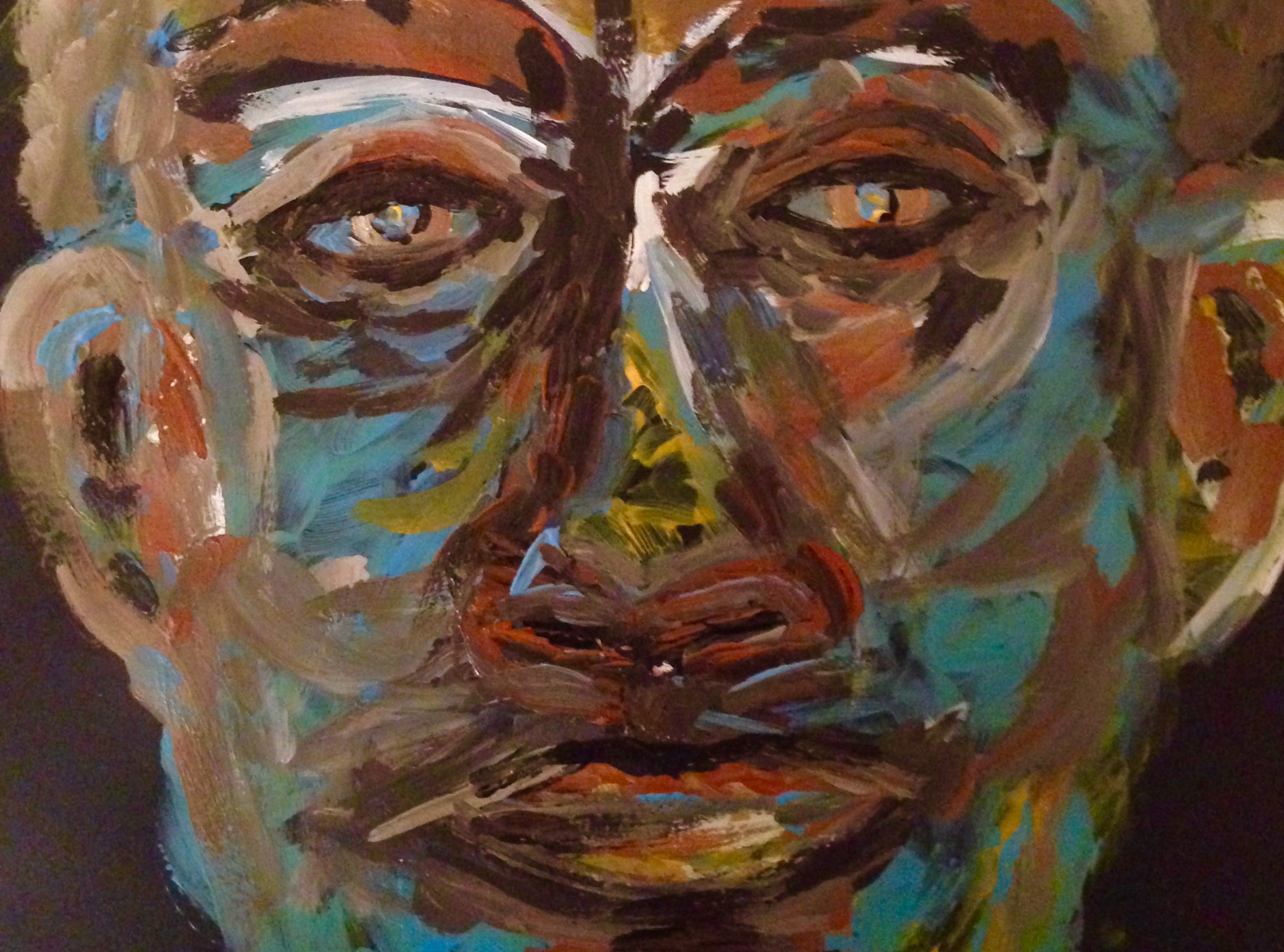
Mark’s gospel (13:33-37) begins our Advent journey with Jesus’ words to stay vigilant and awake. We are to quicken our heart’s response to Jesus’ presence in the here and now and learn to rely once again on the power of God for our future in heaven. Advent is meant to cultivate our desire for God. We are to rise from our sleepy ways, realize our dependence on God and rouse our heart’s desire for God alone. Nothing on earth is to claim our heart with such passion and intention.

There are many circumstances in life that render us drowsy and alone. We often think we can save ourselves from our circumstances in life, from our infidelity in marriage or from wanting to control our children’s lives. We judge our colleagues, get revenge in our career, cheat in our classrooms, use people for our own needs and betray our true gifts.  God shakes us from our slumber, our apathy and mistrust in these days that prepare us for Christmas.

Advent claims our hearts again to love God and to serve others.  Advent shows us a straight path in our crooked and unfortunate ways. This painting is a reflection of John the Baptist, the one who calls us out of slumber and obstinate ways. We will hear from John in the next two Sundays of Advent. The eyes of this man are tired and stressed from wanting to lay his eyes on the beauty of the Lord’s coming, the real presence of God’s love. May our eyes not rest until they rest on the face of Jesus.

On The Margins – Mark 13:33-37

fr_ron_and_kbvm_readingBWListen to  “On the Margins”. This broadcast comes from KBVM 88.3, Catholic Broadcasting Northwest. (THIS BROADCAST DOES NOT HAVE THE USUAL OPENING AND CLOSING FROM KBVM). Advent calls us to cultivate a desire for God, to wake up from our sleepy and selfish ways. First Sunday of Advent, November 30, 2014.

Listen now:

Stream live On The Margins on KBVM 88.3FM on Saturdays at 8am and Sundays at 8am.

Thanksgiving: “Simplicity of Gratitude”

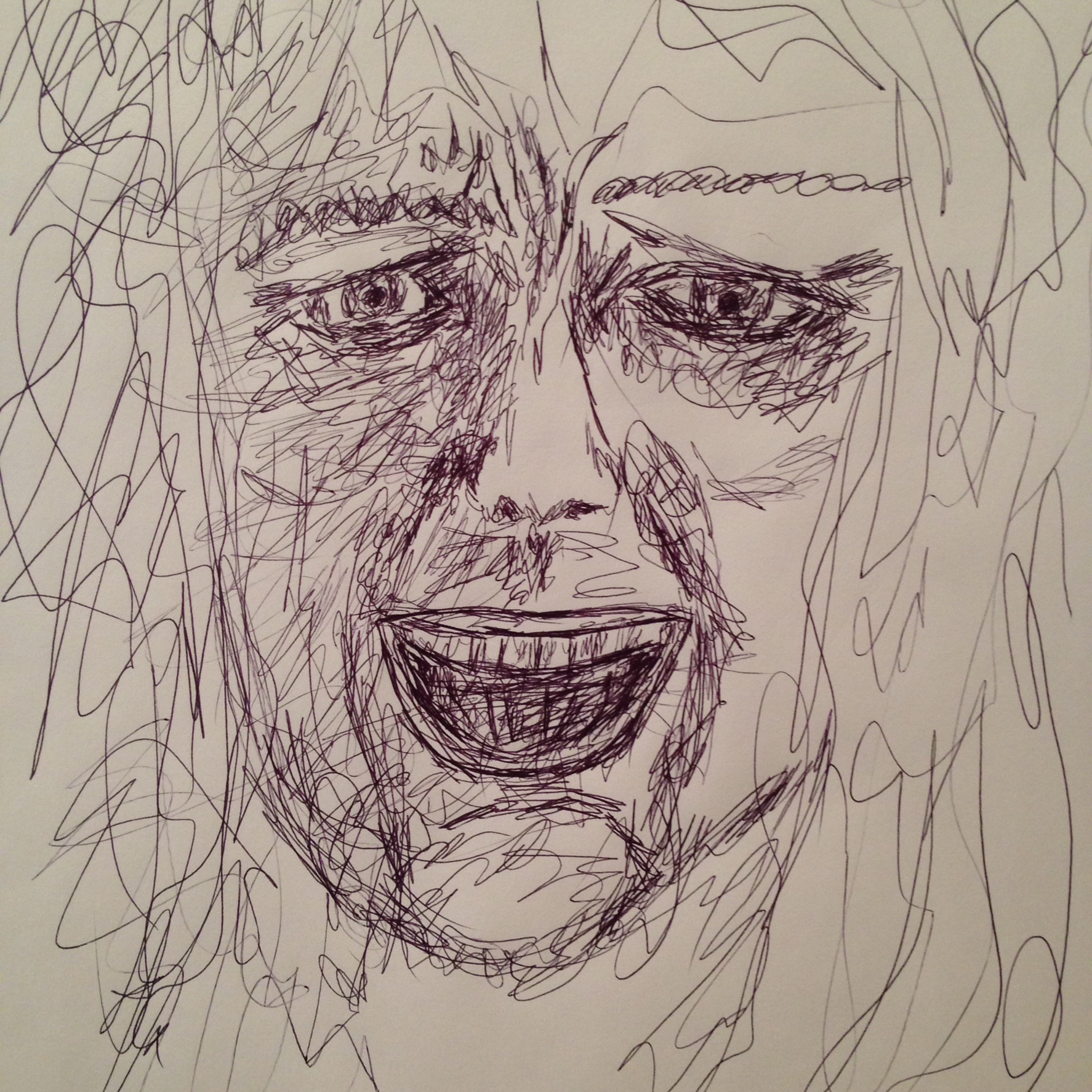
"Simplicity of Gratitude" Sketch: Ronald Raab, CSC

“Simplicity of Gratitude”
Sketch: Ronald Raab, CSC

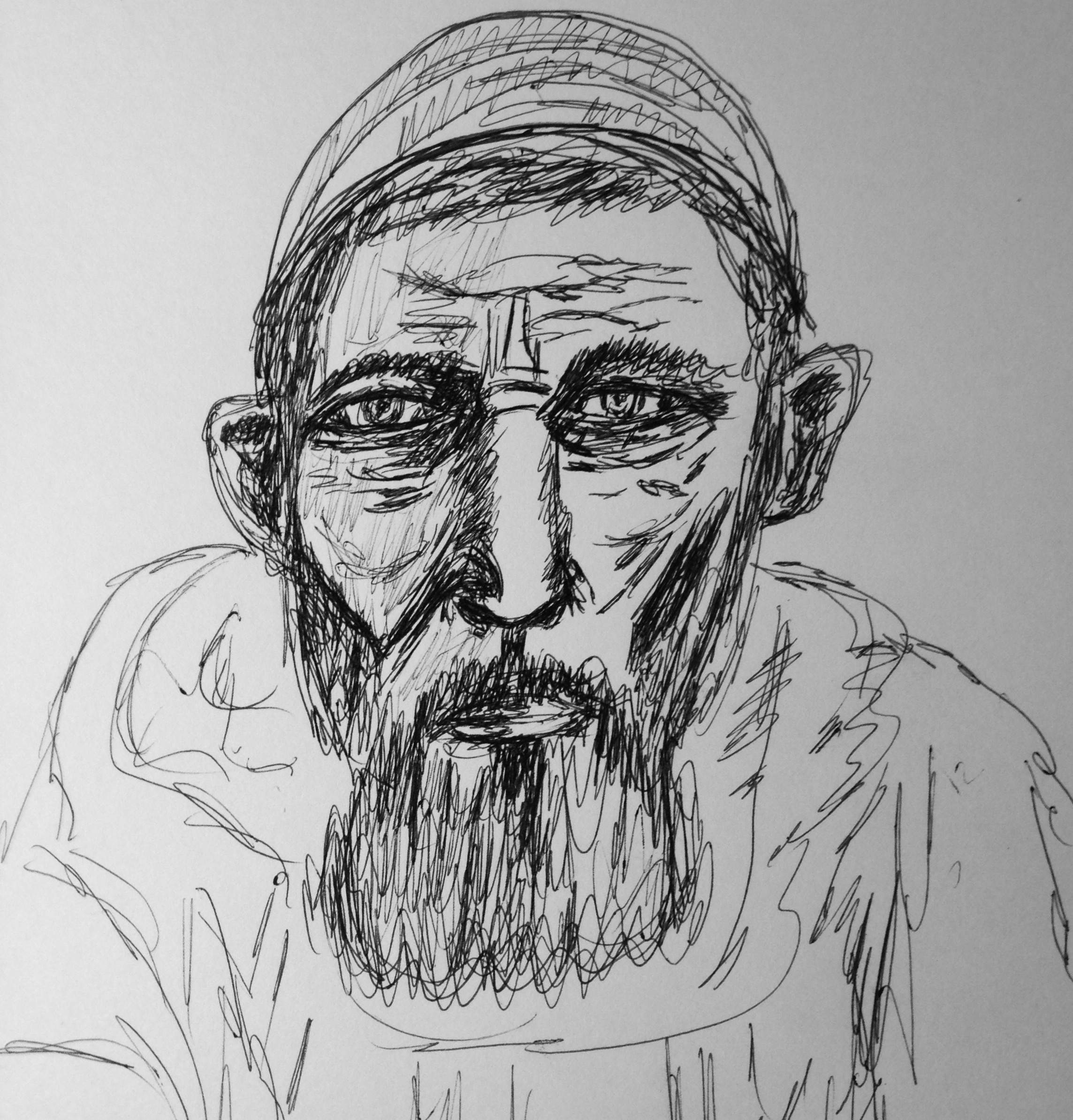
A childlike sketch of profound gratitude in the scriptures. Jesus cures the lepers. This intense, human experience of coming to Jesus with deep scars and lasting wounds is the source of our gratitude today. Salvation is a free gift. The love and healing touch of Jesus is really for us. This gospel today tells us that we stand on the soil of God’s presence, not just the soil of the United States. We tell of our freedom, not just under a flag but in the heart of Christ Jesus. We live in childlike wonder in not what we can accomplish for ourselves, but what the Risen Christ is doing within us. Gratitude is instinctual in faith, at the heart and meaning of the Eucharist not just today, but every day of our lives.


“Christ the King”

"Christ the King" Painting in acrylics: Ronald Raab, CSC

“Christ the King”
Painting in acrylics: Ronald Raab, CSC


Dear Sisters and Brothers in Christ,


Today we celebrate Our Lord Jesus Christ, King of the Universe. This is the last Sunday of our liturgical year. This celebration is a reminder that all things are in Christ. This image of king is not about our earthly understanding of all power and authority; it is about knowing that in time, all things belong to Christ, that in the end, everything will be all right. This is an amazing image for us to consider. “All things”, that means poverty, loss failure, sinfulness and greed. This means our personal sin and corporate irresponsibility. In other words, Christ will take on to himself the world as the world is, all things will find a home in Christ who is the King of the Universe.


The gospel today, Matthew 25:31-46 is particularly powerful. I believe this is one of the most important texts in the four gospels. Imagine this, we will find salvation only if we visit a prisoner or offer someone a glass of water or share a meal or clothe the naked. When we visit the sick and befriend the marginalized then we shall enter the house of the Lord, we shall find salvation itself. This seems so easy. Yet, we gloss over this passage as a Church because it is difficult to live on a daily basis. There are days when it is easier to find a rule in a book and follow it rather than be associated with people on the margins of society, or who are sick or contaminated or who find their home is behind bars.


We fear the losses of other people. This is why this gospel is so difficult to live. We fear losing our homes, our financial security and even our freedom. This is why sheltering the homeless, offering people security and visiting people behind bars is so difficult, because we tend to have the inner instinct of fear that it will happen to us. However, we are called into such countercultural activities because people need us and we need to respect the dignity of all people. This gospel often gets put on the shelf in many parishes. This is exactly what Pope Francis is trying to get at in his challenge to us to serve people in poverty and in doing so we recognize the living Christ. I am always amazed that in the gospel stories, it was the person who as ill or marginalized who always knew who Jesus was, what he could really do for him or her.


If we want to find Jesus in our own lives, then we must hang out with the very people whom Jesus served, touched, listened to, anointed and healed. We must listen to people who have little, because their abundant faith will also set us free. This is what our salvation rests upon, following Christ into the lives of people who really need God.


This image of Christ the King that I painted a few weeks ago reflects the dignity of Jesus. I realize it does not view him in the trenches of life, but it reveals a regal dignity, a beauty of Jesus as King of the Universe. The image is not mosaic, but just paint. As I painted this particular piece one Sunday afternoon after Masses, I tried to pray for every member of our parish community and our commitment to live this gospel passage of service to all people. This is the work of the Holy Spirit in our lives.


(Taken from my column in our parish bulletin for this Sunday)

On The Margins – Matthew 25:31-46

fr_ron_and_kbvm_readingBWListen to  “On the Margins”. This broadcast comes from KBVM 88.3, Catholic Broadcasting Northwest. The gospel challenges us to be for other people, servants as our King serves. Our salvation comes from visiting, serving feeding and clothing other people. Our salvation for heaven comes when we serve others on earth. Solemnity of our Lord Jesus Christ, King of the Universe, November 23, 2014.

Listen now: [audio https://dl.dropboxusercontent.com/u/75239779/On%20The%20Margins/On%20The%20Margins%20Nov%2023%202014%20Christ%20the%20King.mp3]

Stream live On The Margins on KBVM 88.3FM on Saturdays at 8am and Sundays at 8am.

“The Man Born Blind” Luke 18:35-43

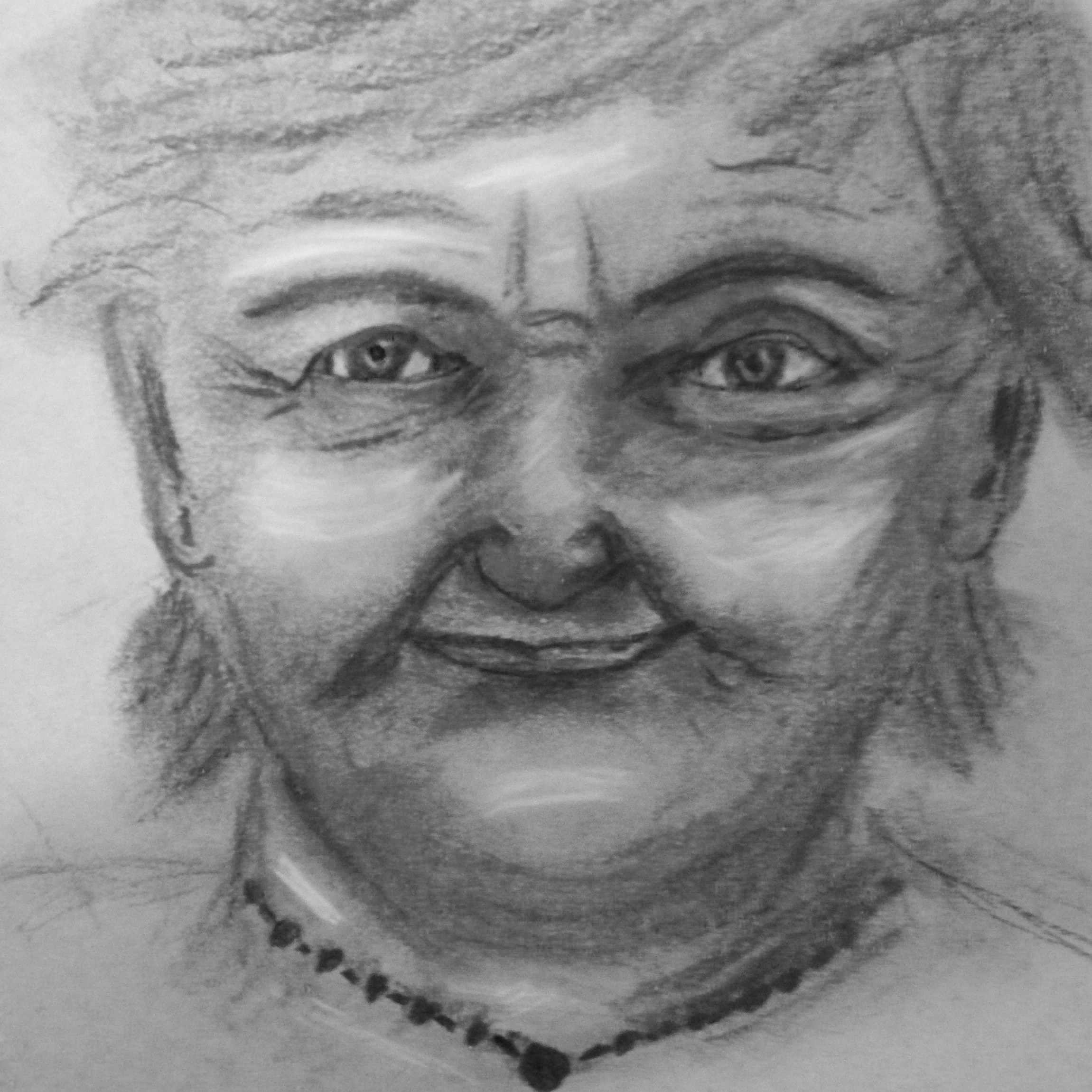
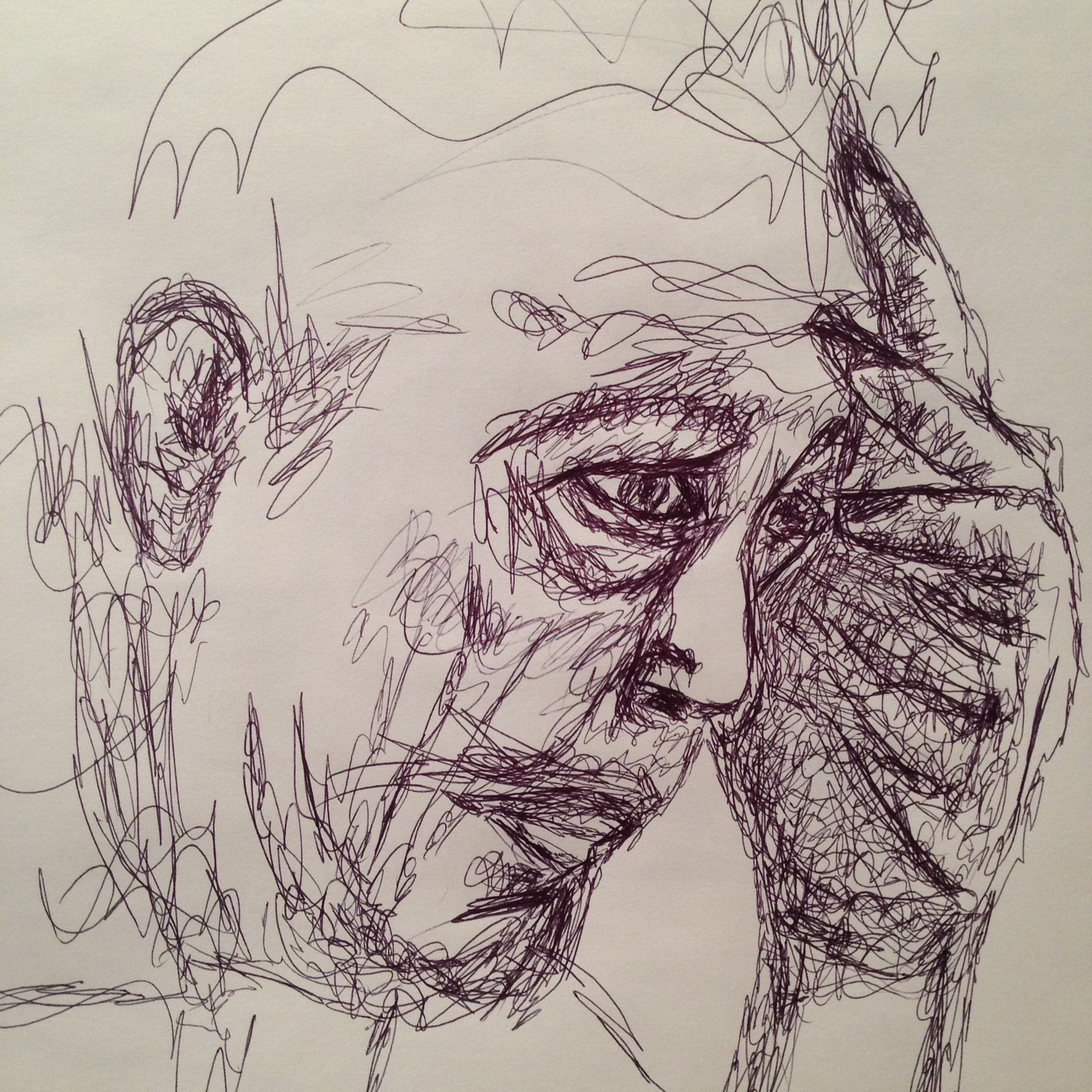
"The Man Born Blind" Charcoal: Ronald Raab, CSC

“The Man Born Blind”
Charcoal: Ronald Raab, CSC

“Jesus, Son of David, have pity on me!”

“Lord, please let me see.”

Once again, the blind man teaches us to search out the Christ, to see the wisdom that is before us. His blindness speaks out on behalf of our own blindness that keeps us from seeing the beauty of people and the love God has for us. I ache to have the vision of this man, to see what he saw and the understanding to know that only Christ Jesus sets me free.

“The Servant Who Buried His Master’s Money” Matthew 25:14-30

"The Servant Who Buried His Master's Money" Charcoal Sketch: Ronald Raab, CSC

“The Servant Who Buried His Master’s Money”
Charcoal Sketch: Ronald Raab, CSC

“The Servant Who Buried His Master’s Money”


Burying our worth is evident in our day and time:


A mother buries her love for her child because of postpartum depression.

A father buries his value for his family at the bottom of a booze bottle.

A teen stifles her potential as a violinist because she cuts herself to hide her pain.

A son shuts down behind shame as he hides his sexual orientation in high school.

A recent college graduate hides his genius under a rock because of his depression.

A grandmother hoards possessions to hide her grief of losing her spouse of 53 years.

A cousin joins the army thinking that he can hide his drug abuse from his family.

An aunt collects trinkets thinking she is hiding her addiction to prescription medications.

A brother hides his abilities in mathematics because his sister is mentally disabled.

Another cousin turns down his acceptance to Harvard to care for his sick father at home.

A teenage girl quits high school to care for her meth-addicted mother.

A brother quits his artistic expressions because his father views him as effeminate.

A neighbor is now homeless because of his long-term depression from being abused.


Our value, our gift, our talent must not be hidden under a rock or buried in the ground.

Our worth comes from the miracle of our lives, just as they are in Christ Jesus.